
On a sunny Saturday afternoon in mid-February it struck me that I need a dose of culture.
I’d last visited Swindon’s art and artefact collection in Apsley House eight plus years ago. At the time I’d written about it within a list of things to do on a weekend morning. Years later, I published an article where I expressed my frustration at the closure of Swindon museum and art gallery.
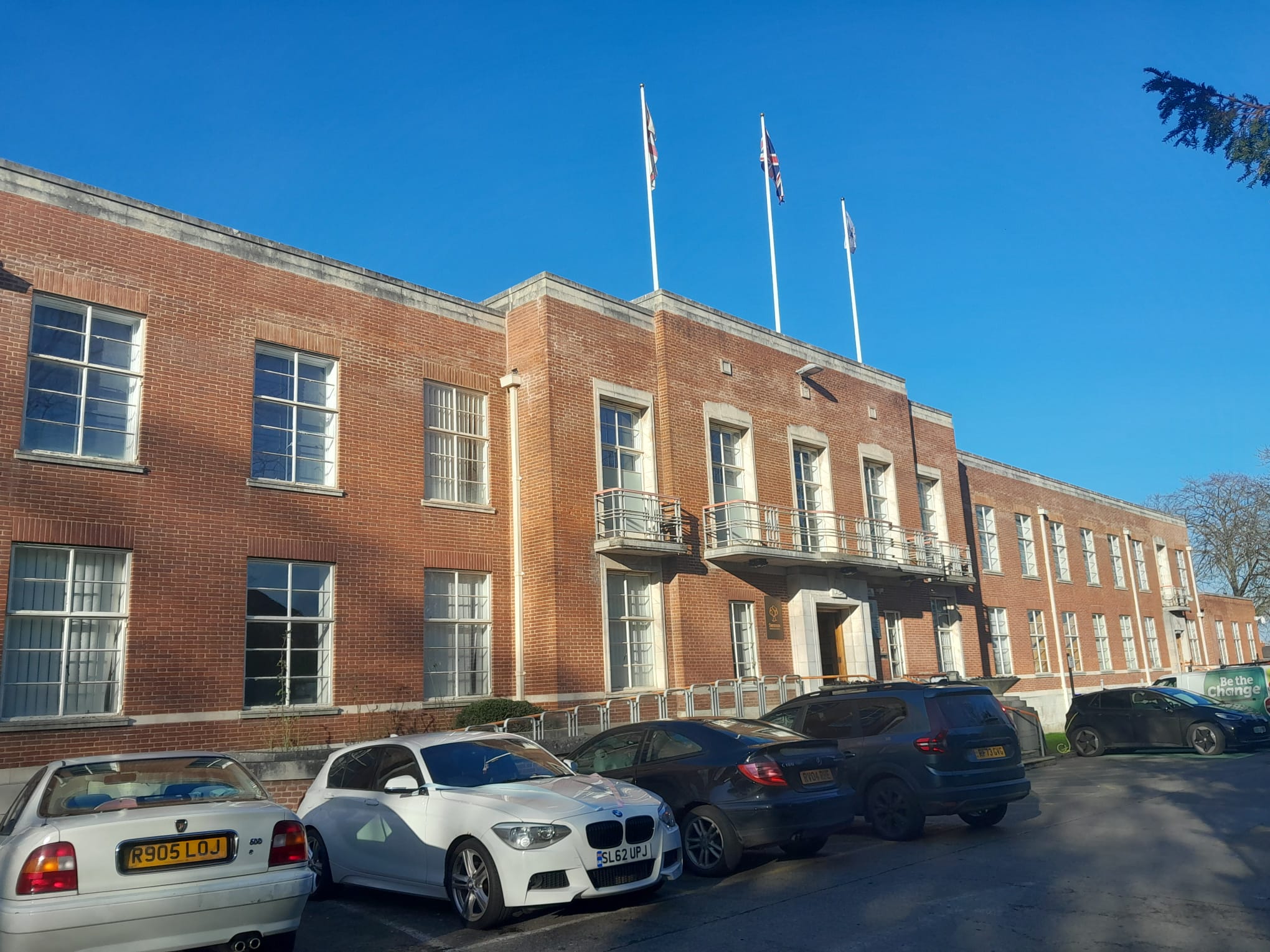
Museum and Art Swindon (M&AS) had cited its move from Apsley House in Old Town as being due to the pandemic, poor accessibility and spiralling costs to keep the listed building maintained. Some of the permanent exhibits were also becoming outdated, and the collection’s extensive catalogue of art was seeing minimal rotation.
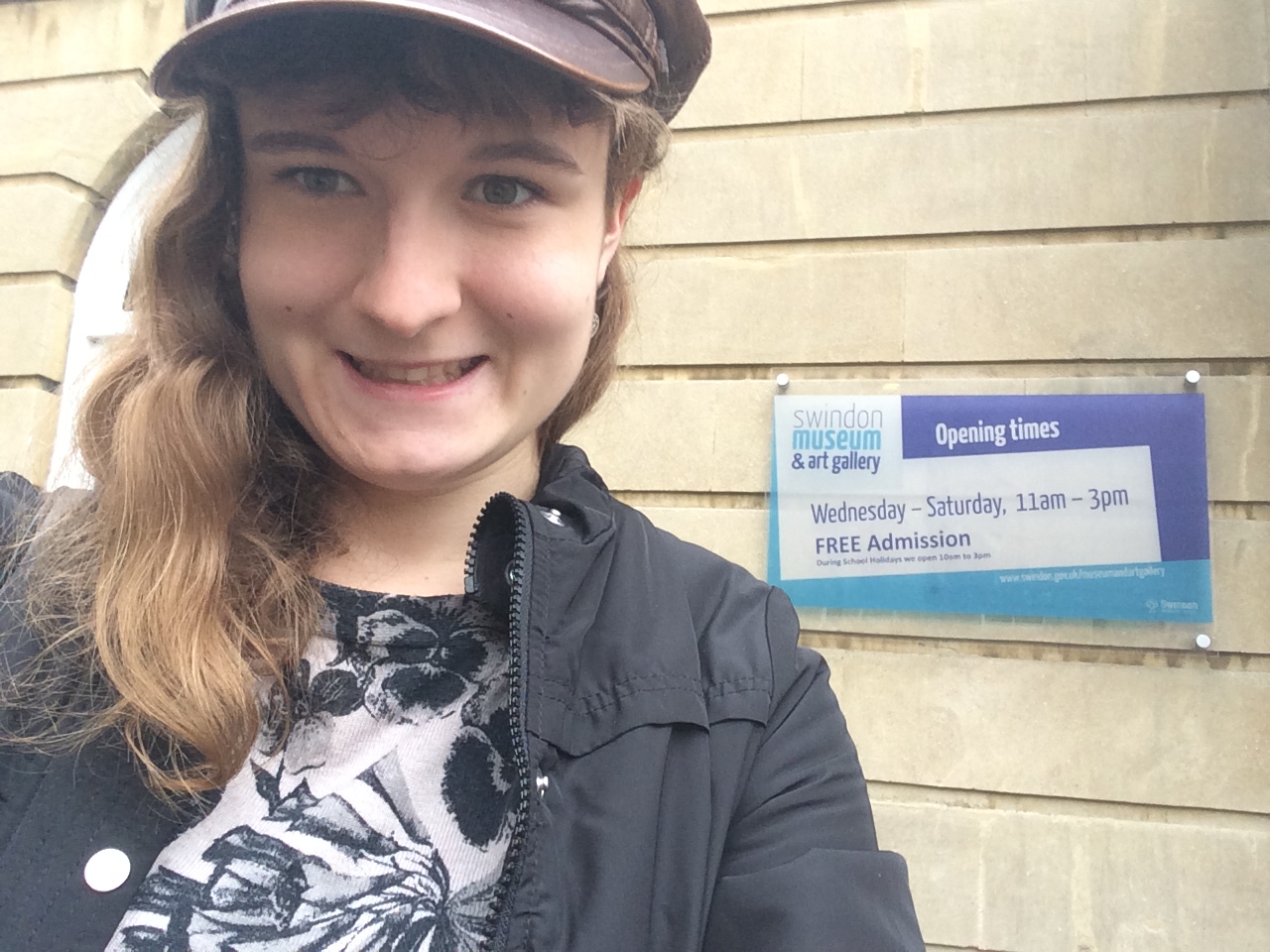
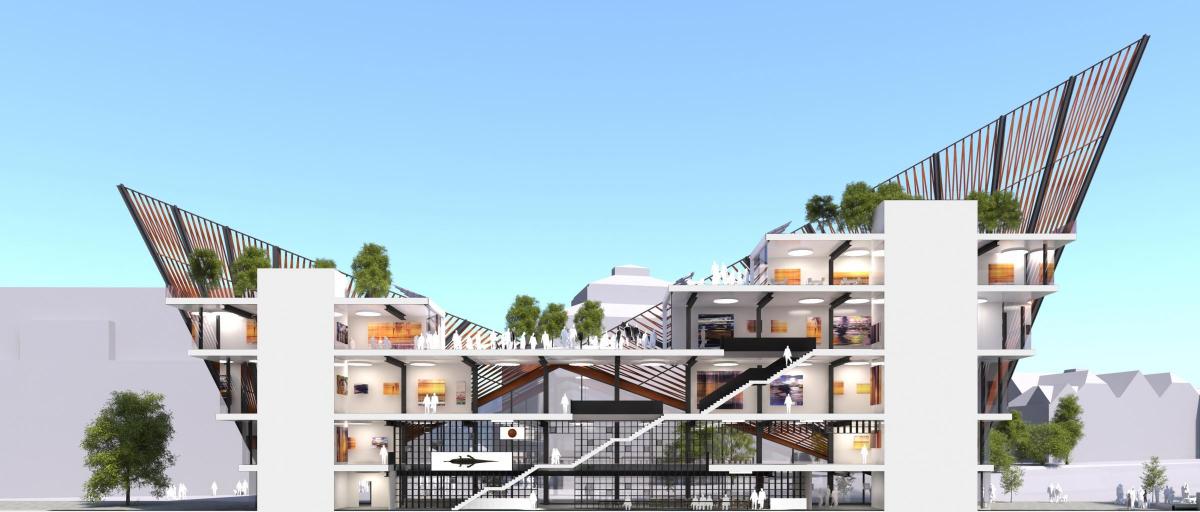
Assuming you find the right building on Euclid Street, (I initially tried to open the door of the neighbouring building run by the police…), on the first floor you are welcomed by wide corridors and friendly staff in an area designated for the shop and permanent exhibitions. This space offers an introduction to M&AS, including its history and collection highlights.

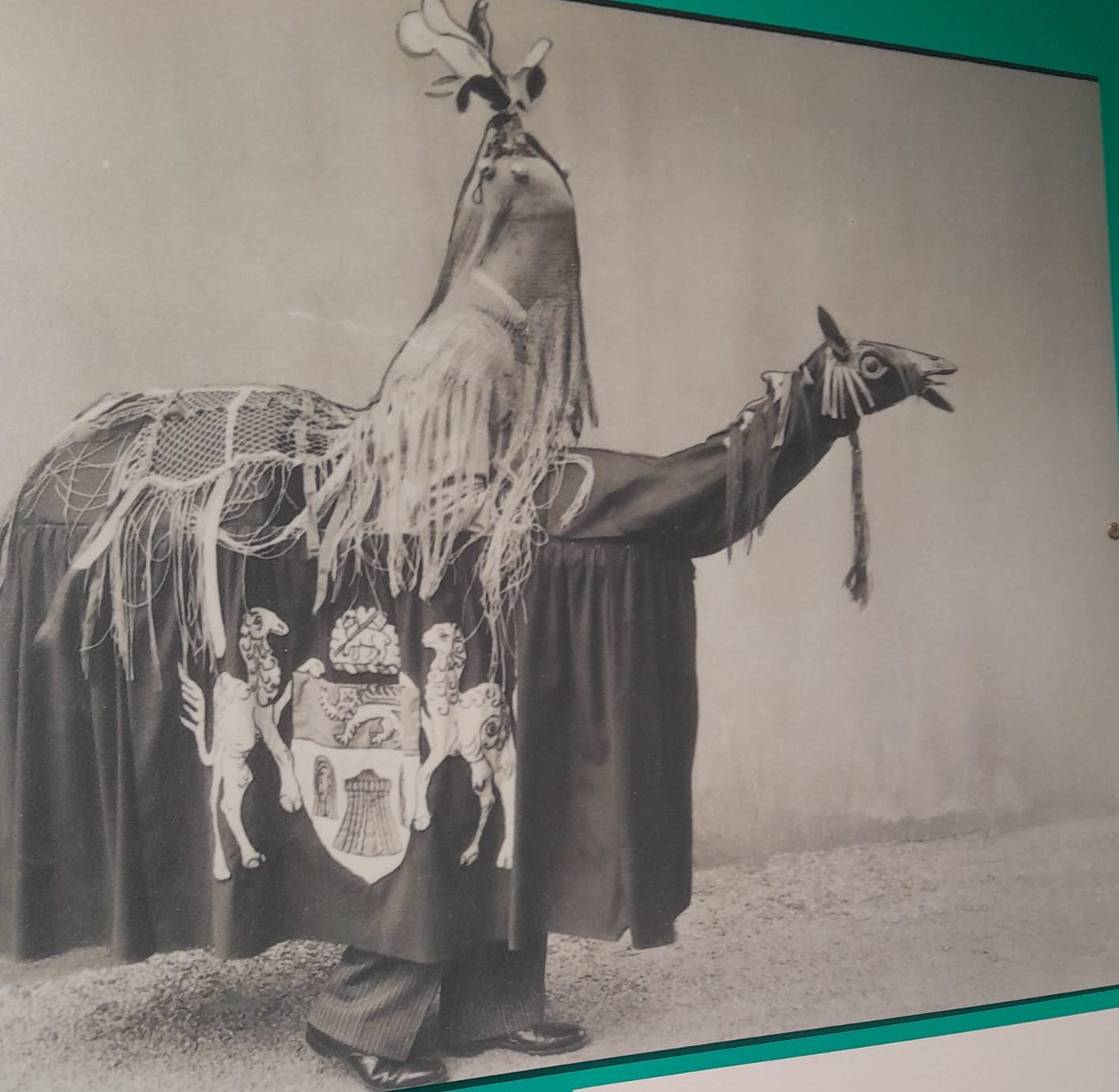
From the opening “Origins” exhibition in the centre, one wing focuses on the history of Swindon, the other features rotational exhibits. At the time of visiting there was only one exhibit available to walk around, titled “Un/common People.” This exhibit included physical objects, photos, paintings and a looped video to showcase a variety of perspectives to the region’s varied folk traditions. There was also a feature of the surreal “Hob-Nob”, a horse-like character that flanked the “Salisbury Giant” during annual processions. I haven’t looked at a biscuit in the same way since.

The history Swindon wing has seen arguably the bigger transformation. While informative, the collections in Apsley House did have a reputation for being old-fashioned and stuffy, and felt very much like a product of the latter half of the twentieth century. It gave me a feeling of “here is a cabinet of fossils, what more do you want?”
This half of M&AS, which blends environmental and human history, is fresher and the tone of voice much more engaging. There is plenty to learn, for instance I had no idea that the first Stegosaur remains were discovered in Swindon, the bones of which have since been scooped up and are now displayed in the Natural History Museum in London.

Jump forward multiple rooms of human development, and visitors are carted to the near present day. A small display of Covid-19 information leaflets summarises recent events, alongside a request for donations to help develop the museum’s collection.

The way information was presented by curators and staff left me with the notion that Swindon’s rapid population growth has done little to fix the fundamental challenges that started appearing centuries ago. The two separate communities of “Old Town” and “New Town” have never really come together, contributing towards a lack of historic centre and, by association, the modern-day tongue-in-cheek reputation of this Wiltshire town. Whether that was the right message to take away or not, it certainly left an impression on me.

My overall thoughts on M&AS? A significant improvement on the previous exhibits at Apsley House and well worth an hour or two of anyone’s time (especially as it is free to enter). Would I make a special trip out to visit it? Probably not. There is no parking at the museum itself, and while there are plenty of council-owned carparks in the vicinity, you will be at the mercy of a pay and display. Museum and Art Swindon is also not the easiest name to remember, not when you consider it was called Swindon Museum and Art Gallery until 2021.
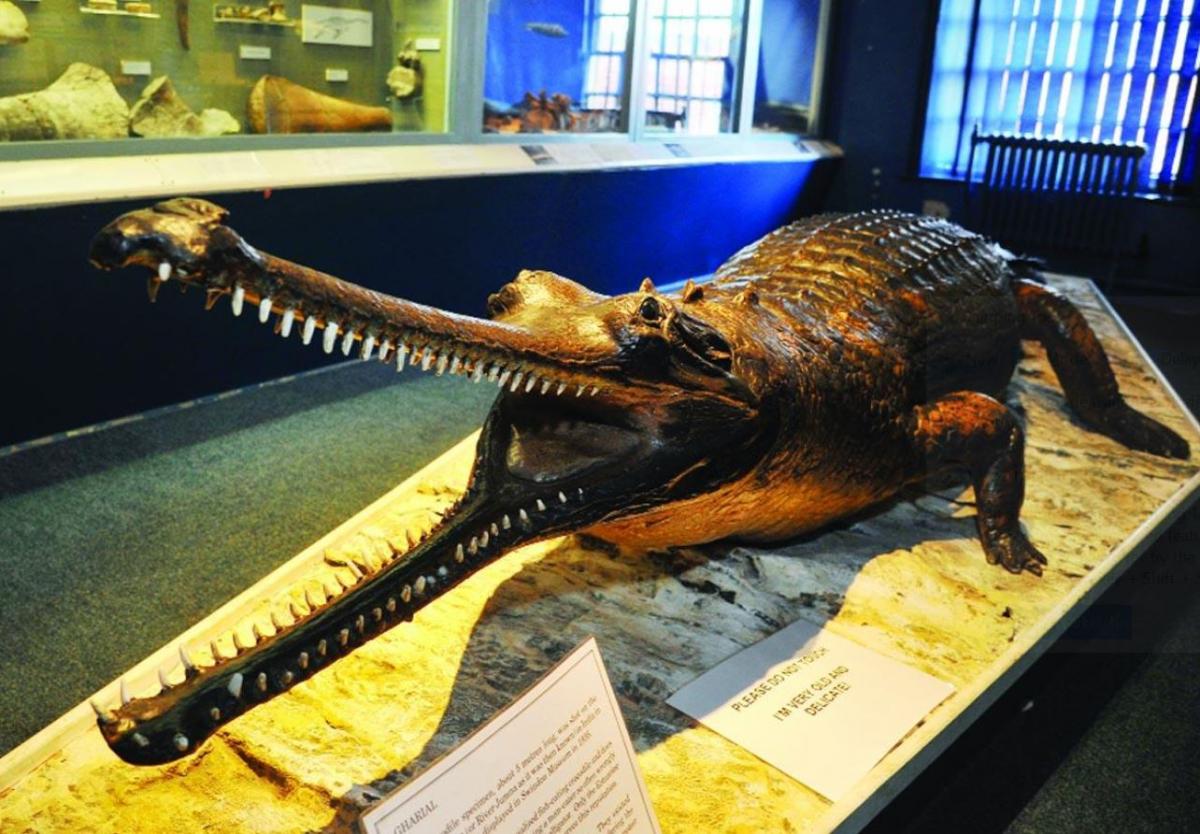
If I was a betting woman, I would put the rebrand down the council wanting to distance itself from its previous home at Apsley House and the highly vocal “Save Our Croc” campaign group. For those less familiar, in true Swindon fashion a stuffed gharial became a mascot and somewhat national treasure to the town, a permanent feature in Apsley House’s fossil room. From this 2023 report, it has been carefully restored, however it is unlikely to feature in the new museum due to its size. After decades of school visits and family trips, the croc was a cross-generational unifier, beyond politics, age or race. Entirely personal opinion, but I just don’t see that level of artefact connection happening with anything in the new M&AS. It is one of those stand-alone items that has so much history by simply existing. A stuffed gharial.
Anyway, after that tangent, we’ll move onto closing words.
M&AS isn’t the 2020 promise of a cultural quarter. Swindon’s residents will continue to dream of their town becoming, “an internationally recognised exemplar of sustainable, liveable development, [with] world class facilities for the arts and heritage.” However, M&AS does give Swindon something to be proud of and in the face of the jabs and jibes and the relegated gharials, I’d take that as a resounding win.
Museum and Art Swindon is open Tuesday – Saturday, 10:30 – 16:30. For more information, visit their website: https://www.museumartswindon.com/
**
**
















 My Housemate's a Mermaid