I don’t know if it’s because of the heat we’ve had in the UK all summer (combined with woeful lack of air conditioning), or because there’s a lot of personal stuff on the go right now causing me no end of stress, but this picture, this is me.
Credit goes to TK Maxx for this one and zero credit goes to boyfriend Ben who flatly refused to let this exist in the same house as us. To be fair, given how much stuff* (*putting it politely) I have, I tend to agree. Ben has also reminded me that I routinely sit / sleep in positions similar to this and call it “comfortable.”
I think he’s trying to hint that it would be cheaper for me to just continue being me, sans human-sized cushion.
TK Maxx, if you’re reading this, my door is always open for an Alice/skeleton cushion collab. Just don’t tell Ben.
**
Could you spare a dollar to support me? Donate here!
Another one from deep within the MHAM draft posts that never made it to air…until now.
Back in 2021…
I was thinking to myself the other day “you know what? There aren’t enough podcasts in the world. And golly, there sure as heck aren’t enough opinions being shared around. I should do something to rectify this immediately!”
Or, alternatively, I saw an advert for the free podcasting creator, Anchor, and thought I’d give it a shot.
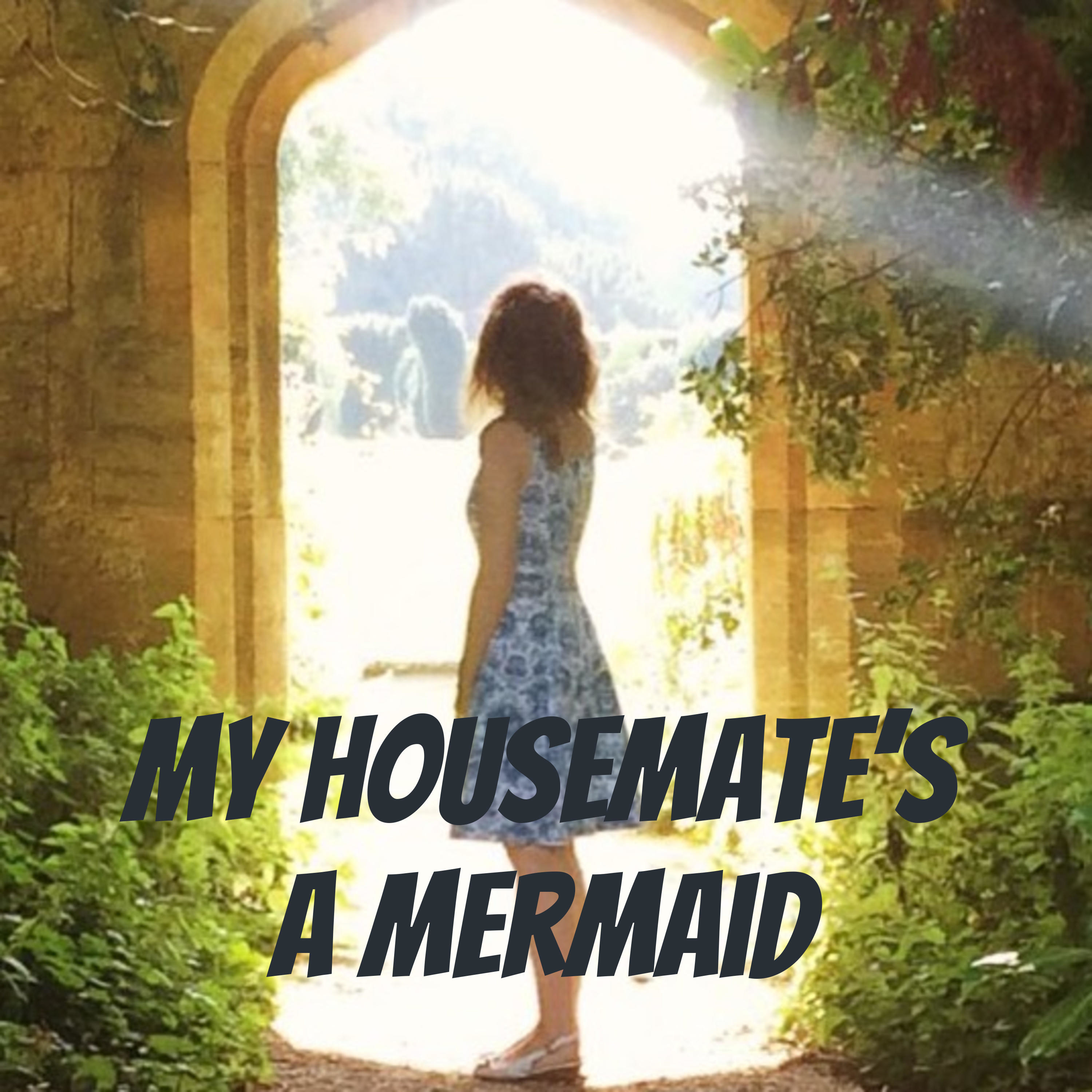
Several coffees later and some playing about with low-budget graphics and ta-da! A podcast was born:
(Before you say anything, I really cannot stress the low budget-ness of this production. Low budget in the sense there is none.)
Who knows what will become of this, but basically it’s me talking to myself for up to half an hour and in episode one I talk about what lead me to start writing a blog. If you enjoy the concept of a one-woman natter then you’re in for a right royal treat.
I honestly could not be selling this venture harder if I tried. It’s just something I’m giving a go at for a bit of fun.
Surprise, surprise, it didn’t catch on and after forcing myself through four recordings I stopped podcasting and went back to pure writing. I think as much as anything it was the realisation that podcasting with free software is difficult (in that I found the free to use software incredibly limiting and of overall poor production value).
I’m currently in the process of getting the original recordings saved (would you believe it, the platform appears to give podcast owners no access to downloading their own work once published).
For now, enjoy the bittersweet car crash that was the MHAM podcast and who knows, maybe I’ll revive it one day on better terms.
**
Could you spare a dollar to support me? Donate here!
Work blessed upon me the opportunity to take off a few days (otherwise know as “use it or lose it”). While boyfriend Ben toiled away with delights of his own, I used the opportunity to spend four (and a bit) days in and around Chichester in South England.
Day 1 – Winchester
On my drive down to Chichester I stopped off at Winchester for half a day.
Top tip: expect to be persistent with parking. I drove around the two “park and walk” car parks on Worthy Lane for thirty minutes before striking up a conversation with a pedestrian and taking his space when he left. Park and walk car parks are limited to four hours maximum stay.
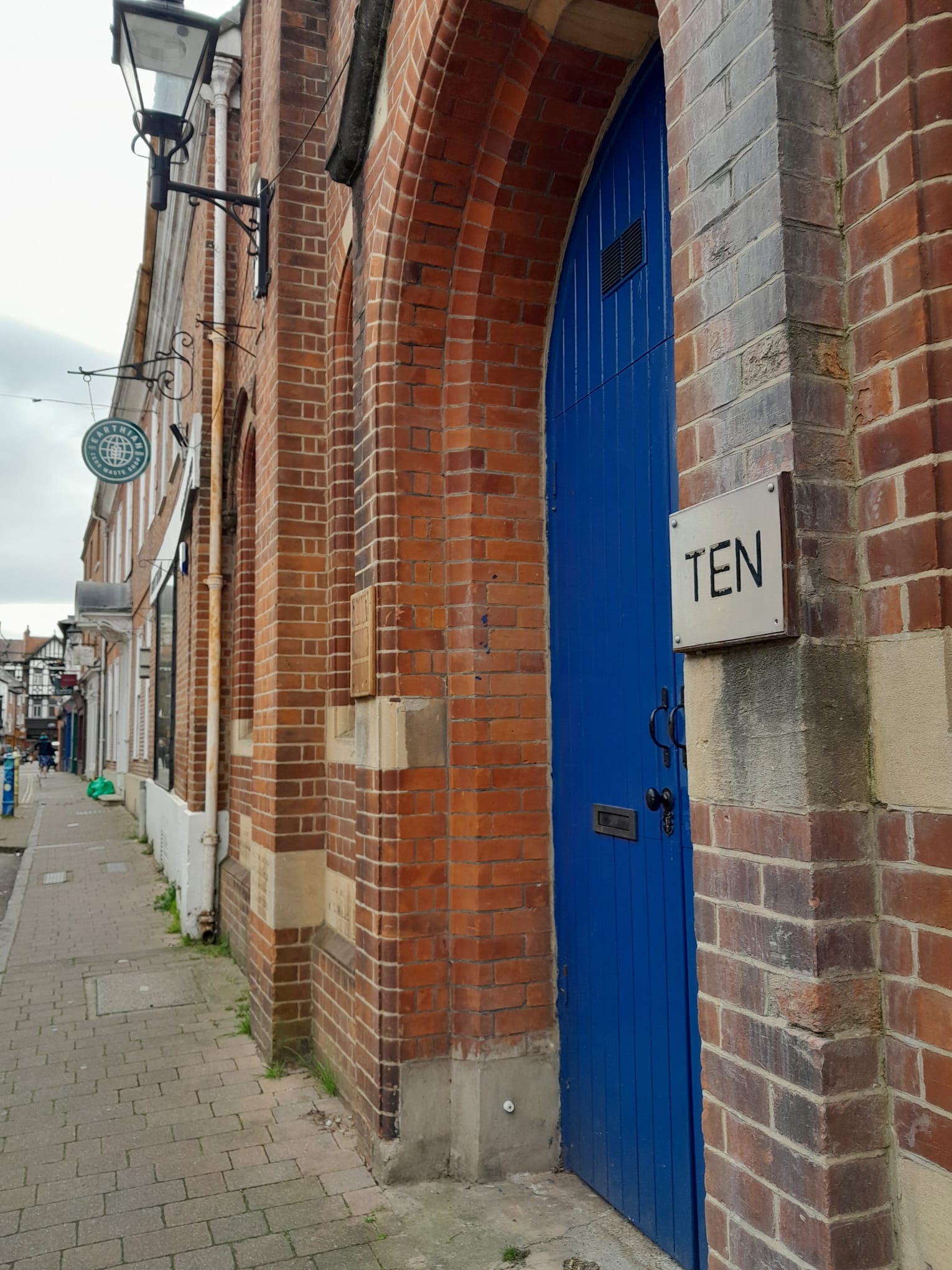
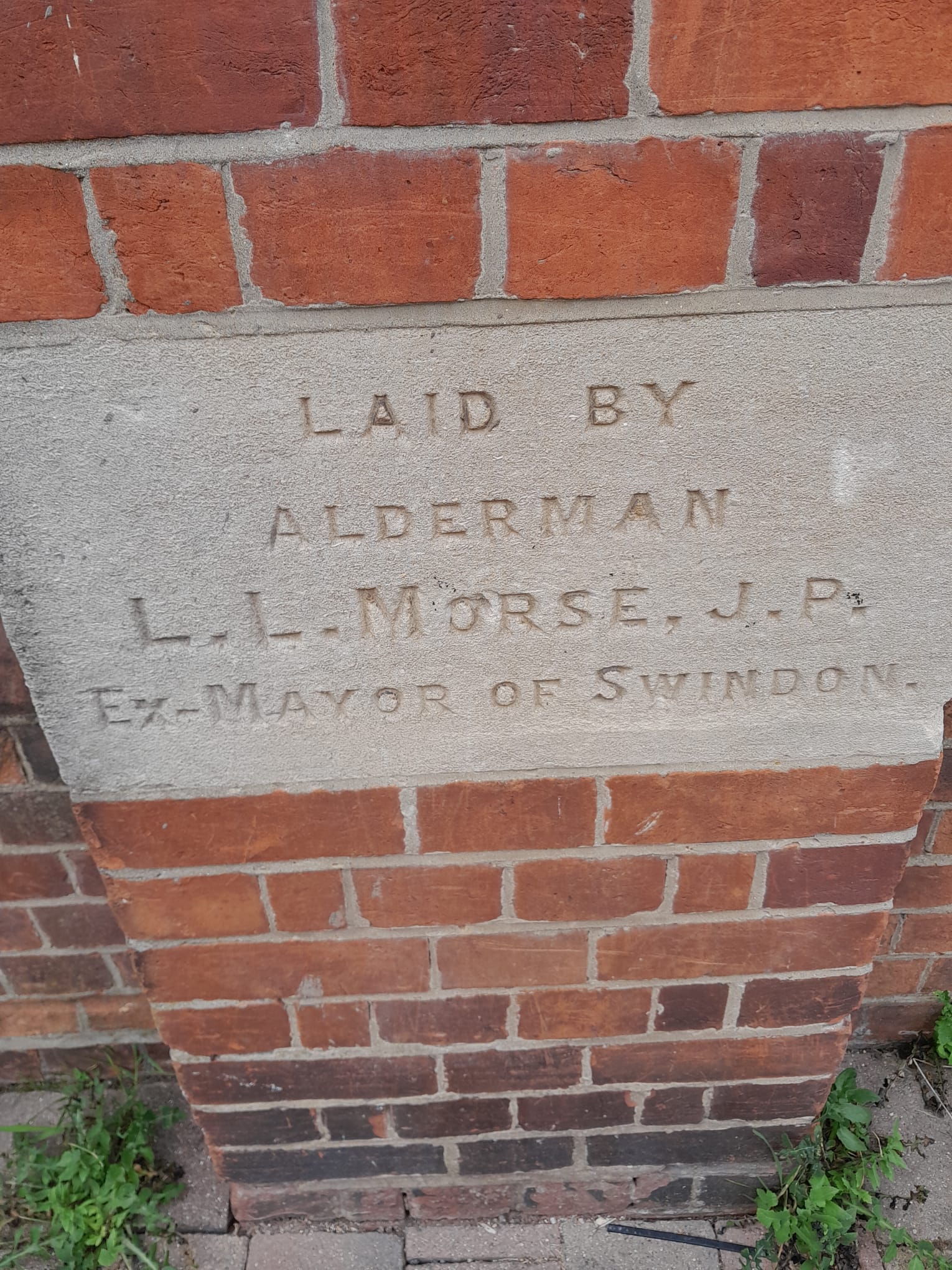
It had been years since I’d visited Winchester, when the city was a source of escapism from my studies at Southampton University. Strolling around some of the quieter streets I found a building that included a brick laid by one of Swindon’s historic mayors, a claim to fame worthy of a photo.
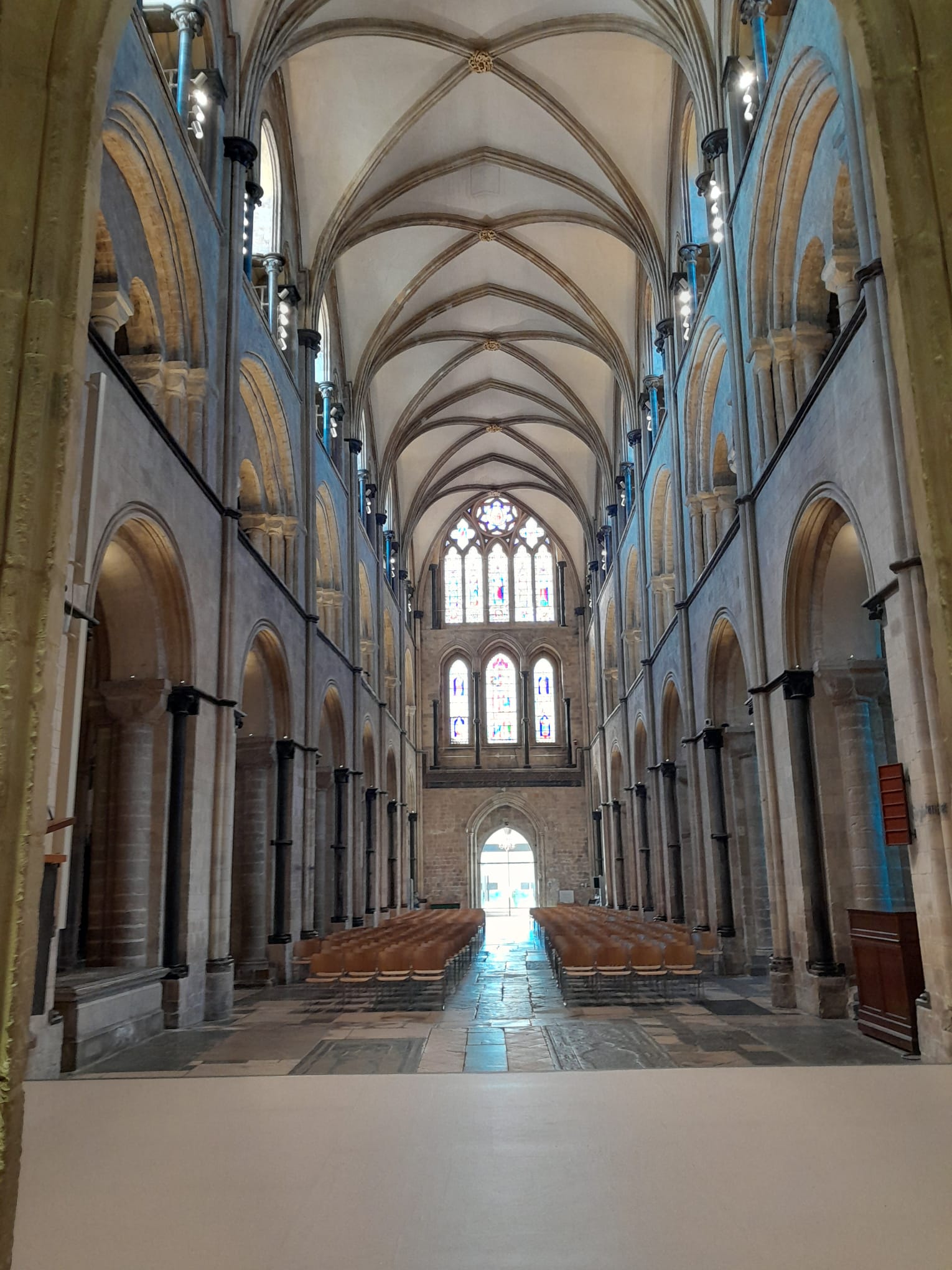
Winchester Cathedral is where I spent the bulk of my time. First at the cathedral’s café, tucked away behind a high wall at the front of the cathedral, and then in the cathedral itself. The last (and coincidentally first) time I visited was in 2011, which ultimately swayed me into the decision to pay £13.50 for entry (valid for a year).
As well as hosting many examples of beautiful architecture, the cathedral also contains a memorial stone to Jane Austen and a permanent exhibit, “Kings & Scribes”. The three levels of the exbibit include the cathedral’s history, original biblical scripts and a King James I bible. A personal highlight was the the Bishop Morely library, full of old dusty books on pretty much every topic known to medieval man. Friendly volunteers were on hand throughout to answer questions.
Jane Austen memorial stone
Inside Winchester Cathedral
Filled with a hefty dose of history and teacake, I headed back to my car and drove onto Chichester and the little cottage I’d booked. I spent the evening with a ready meal and got an early night, ready for the day ahead.
Day 2 – Chichester
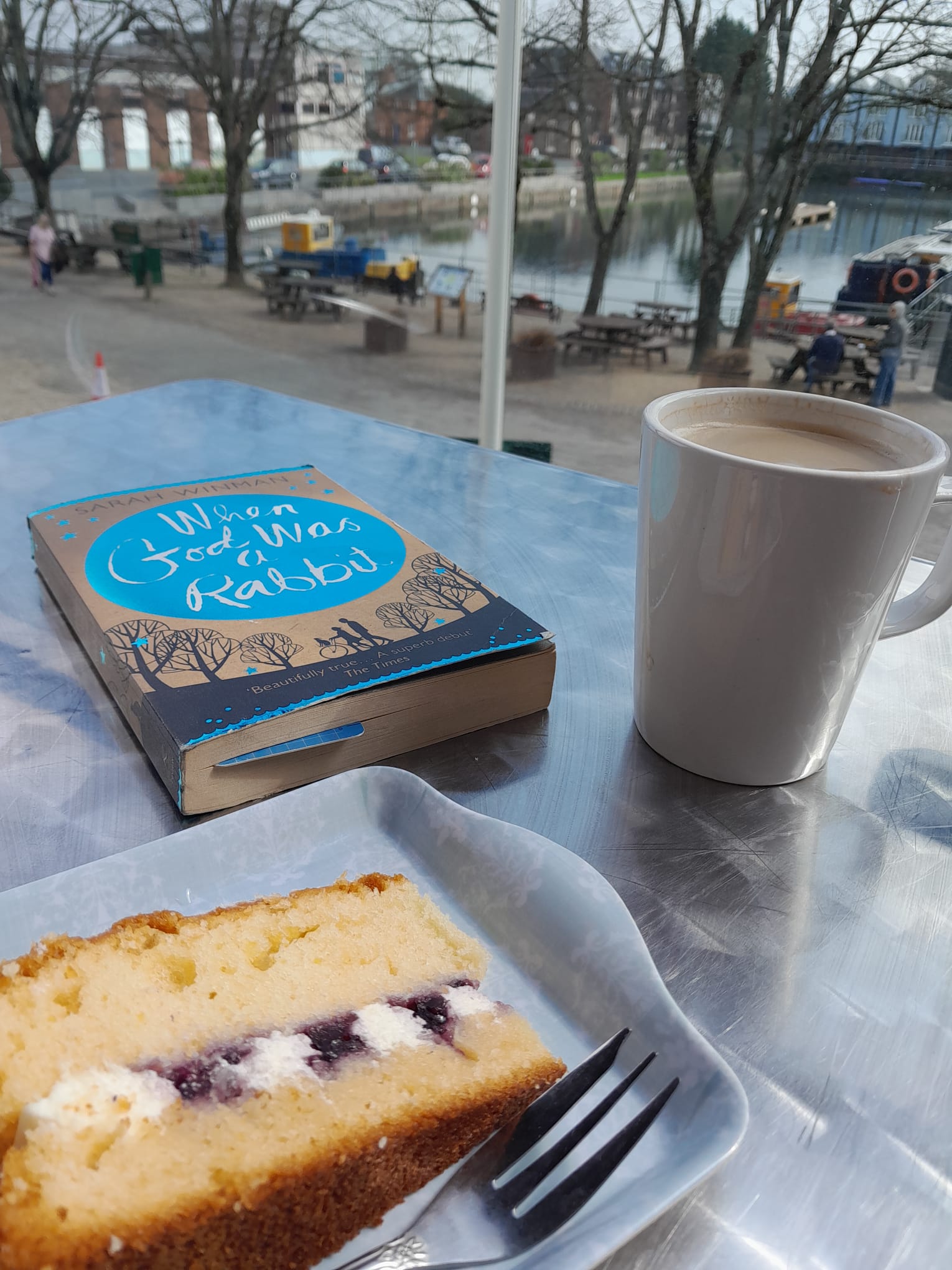
On my first full day I made the most of everything outdoorsy the city had to offer. This started with coffee and homemade cake at the Canal Café, a volunteer-led operation at the Chichester Ship Canal Trust. A lovely way to spend an hour people watching.
On the balcony of the Canal Café, Chichester
In what was meant to be “ten minutes one way, ten minutes back”, I ended up taking a leisurely stroll along the length of the Chichester Ship Canal.
The canal itself is a pleasant walk, flat terrain with information boards dotted along the full course. This stretch is also believed to contain the view that inspired the famous “Chichester Canal” painting by artist J.M.W. Turner.
The view that inspired Turner: Chichester canal, with the spire of the cathedral visible in the distance
I caught one of the frequent buses at Chichester marina to get back into the city centre (the circular route involves walking along a stretch of very busy road with limited footpaths).
In the afternoon there was time to visit The Novium Museum, a free to enter museum which features sizable remains of a Roman bath house, alongside permanent and rotational exhibitions on the history and culture of Chichester. It’s also the home of the city’s tourist information point.
In the evening I dined at Franco Manca, Chichester. They put me in the window, providing a lovely view of the Cathedral at night. Sadly, service was pretty poor, I felt like I’d been completely forgotten about.
Day 3 – Arundel/ Chichester
Waking up slightly later than planned, I made the fifteen minute drive to the town of Arundel to be greeted with ample parking in one of the main car parks.
Top tip: Stays of over four hours = a sharp increase in parking charges, so consider taking the train if you plan on visiting for the full day. Trains run frequently from Chichester to Arundel station, which is about 15/20 minute walk from the town itself.
Arundel Castle was sadly closed at the time of visiting, but that didn’t take away the enjoyment in having a leisurely stroll around the small streets and independent shops that call Arundel their home.
A visit to Arundel Cathedral is a must for those who can squeeze it into their itinerary. As well as being free to enter, this cathedral is a central feature point on the Arundel skyline and one of the few Roman Catholic cathedrals in England (blame Henry VIII).
Inside Arundel Cathedral
As a side note, I was disappointed to have missed out on Arundel Castle due to its seasonal openings. Given the number of people milling around Arundel, I think the owners may have missed a trick. Another attraction for another time, maybe!
After driving back to Chichester in the mid afternoon, I visited another cathedral (my third in as many days). Chichester Cathedral is free to enter.
Chichester Cathedral
At the time of visiting, the cathedral had an exhibition to celebrate its 950th anniversary. For a free-to-enter site, the standard of this exhibition was high, with colourful and engaging boards, and cabinets filled with carefully selected artefacts from the cathedral’s collection.
Inside Chichester Cathedral
In the evening I ate at the Italian restaurant Piccolino, Chichester. It was very busy, and the prices a little bit on the steep side. They seated me in the front window, which doesn’t usually happen as a solo diner! Owing to the price, I went for a simple pasta dish.
Day 4 – Chichester
I spent my fourth day in numerous coffee shops in Chichester. Reading and writing to my heart’s content, it was wonderful.
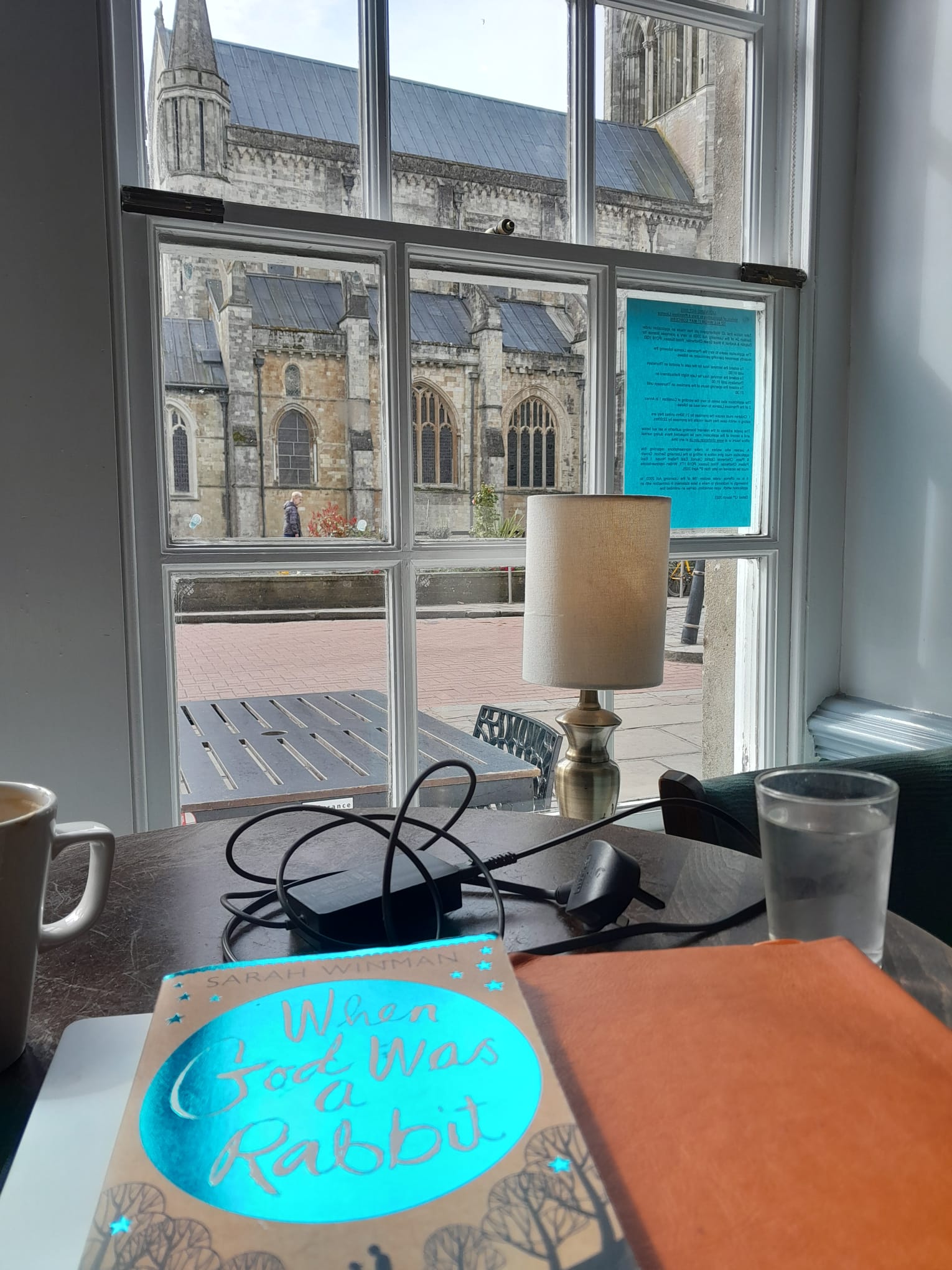
Morning coffee and words at The Dolphin & Anchor (a Wetherspoons with great views of the cathedral)
In the evening I ate at Bill’s Chichester. Staff were very friendly (especially given it was a Friday and the place was packed). Bill’s is a popular chain, you kinda know what you’re going to get. Good food, at a reasonable price.
Day 5 – Chawton, near Alton
Driving back home, I stopped part-way into my journey to visit Chawton, near Alton. This little village is quaint in its own merit, but what sets it apart from other Hampshire villages is its connection to literary royalty. 2025 marks Austen’s 250th birthday and by the time I’d booked my entry ticket to Jane Austen’s House I was practically whipped up into a new wave of Austen mania.
Top tip: book in advance, as numbers entering Jane Austen’s House are strictly limited. Once you’re inside you can stay as long as you like, and the small surrounding garden has no time restrictions. Dogs are not allowed inside the house.
Jane Austen’s House, Chawton. It is in this house that Austen worked on and published Sense and Sensibility, Pride and Prejudice, Mansfield Park, Emma, Northanger Abbey and Persuasion.
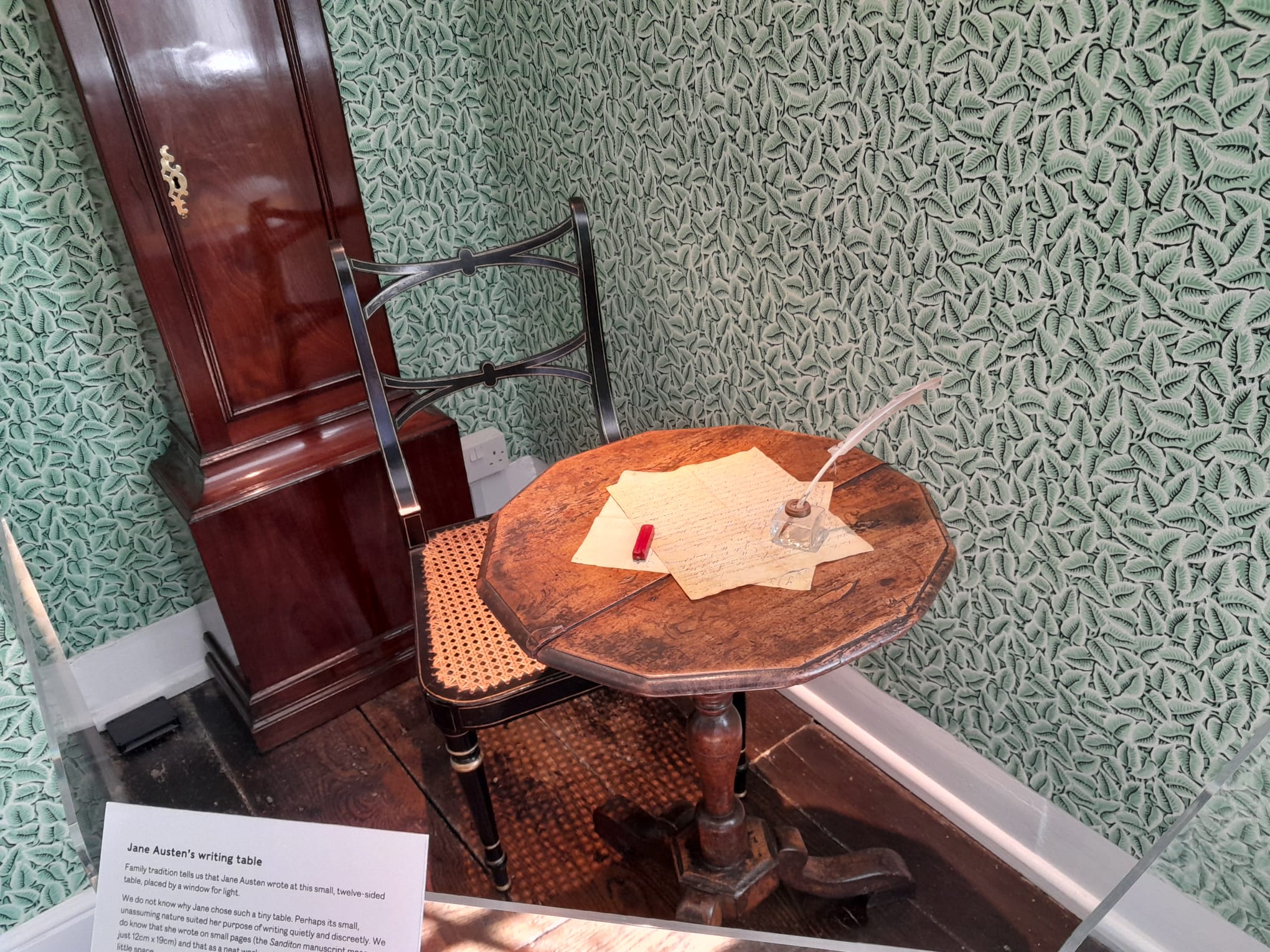
The house is part staged reconstruction (downstairs), part exhibit (upstairs). Seeing Jane’s writing table and her surviving hand written manuscript drafts on tiny sheets of folded paper, shows that in the literary world size doesn’t always matter.
Jane Austen’s writing table.
After the house, I sat in the garden and read my book, before making my peace and exiting through the gift shop, avoiding all eye contact with the highly tempting merchandise on sale.
The garden at Jane Austen’s House is the perfect spot for a moment of tranquillity.
After Austen’s house it felt only right to pay my respects at the gravesite memorials of Cassandra Austen and Cassandra Leigh, Jane’s sister and mother who are buried at St Nicholas Churchat the other end of the village, next to Chawton House (former home of one of Jane’s brothers, Henry). The interior of the church is pleasant enough, however is a little overshadowed by the long line of people marching past the front door to get sight of the Austen graves tucked around the back.
From Chawton I drove back home, returning by the late afternoon and ready for a cup of tea and a full debrief with Boyfriend Ben. A chilled Sunday followed, before returning to work on the Monday, refreshed and ready to take on the 1000+ emails and twice as many Teams messages and missed Zoom calls.
A wonderful few days with the glorious weather to match. Who says you can’t get sunburn while holidaying in Britain?
AEB
NB: All prices, information and external links correct at time of writing, April 2025
**
Could you spare a dollar to support me? Donate here!
On a sunny Saturday afternoon in mid-February it struck me that I need a dose of culture.
I’d last visited Swindon’s art and artefact collection in Apsley House eight plus years ago. At the time I’d written about it within a list of things to do on a weekend morning. Years later, I published an article where I expressed my frustration at the closure of Swindon museum and art gallery.
External view of Museum and Art Swindon, which is located on the first floor
Museum and Art Swindon (M&AS) had cited its move from Apsley House in Old Town as being due to the pandemic, poor accessibility and spiralling costs to keep the listed building maintained. Some of the permanent exhibits were also becoming outdated, and the collection’s extensive catalogue of art was seeing minimal rotation.
Assuming you find the right building on Euclid Street, (I initially tried to open the door of the neighbouring building run by the police…), on the first floor you are welcomed by wide corridors and friendly staff in an area designated for the shop and permanent exhibitions. This space offers an introduction to M&AS, including its history and collection highlights.
Clarice Cliff Ceramics on display in Museum and Art Swindon (M&AS)
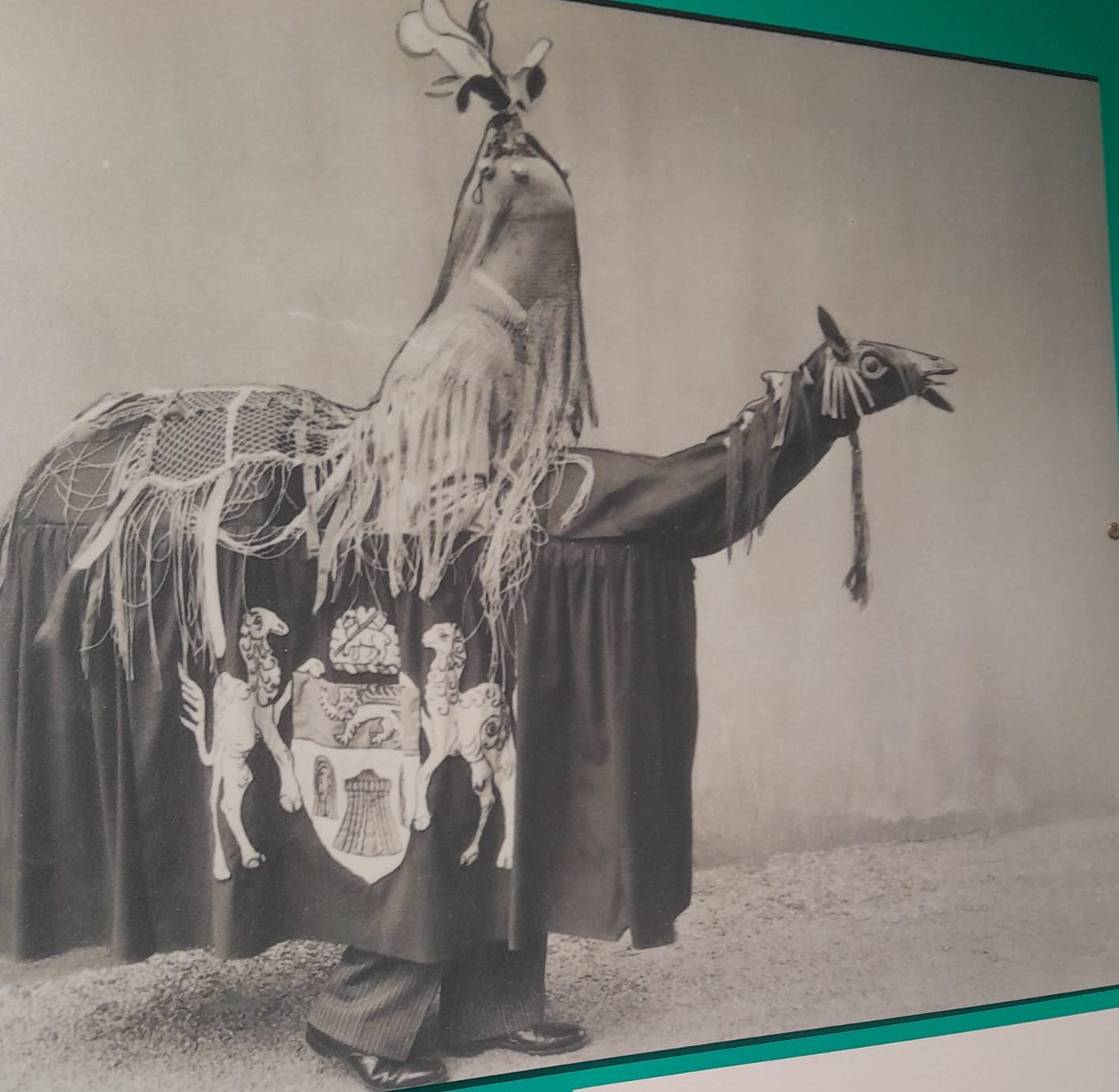
From the opening “Origins” exhibition in the centre, one wing focuses on the history of Swindon, the other features rotational exhibits. At the time of visiting there was only one exhibit available to walk around, titled “Un/common People.” This exhibit included physical objects, photos, paintings and a looped video to showcase a variety of perspectives to the region’s varied folk traditions. There was also a feature of the surreal “Hob-Nob”, a horse-like character that flanked the “Salisbury Giant” during annual processions. I haven’t looked at a biscuit in the same way since.
“Un/Common People: Folk Culture in Wessex” exhibition
The Salisbury “Hob-Nob”
The history Swindon wing has seen arguably the bigger transformation. While informative, the collections in Apsley House did have a reputation for being old-fashioned and stuffy, and felt very much like a product of the latter half of the twentieth century. It gave me a feeling of “here is a cabinet of fossils, what more do you want?”
This half of M&AS, which blends environmental and human history, is fresher and the tone of voice much more engaging. There is plenty to learn, for instance I had no idea that the first Stegosaur remains were discovered in Swindon, the bones of which have since been scooped up and are now displayed in the Natural History Museum in London.
Information board, detailing the discovery of “The Swindon Stegosaur”
Jump forward multiple rooms of human development, and visitors are carted to the near present day. A small display of Covid-19 information leaflets summarises recent events, alongside a request for donations to help develop the museum’s collection.
Photo of Swindon’s infamous “magic roundabout” shortly after it was opened in the 1970s
The way information was presented by curators and staff left me with the notion that Swindon’s rapid population growth has done little to fix the fundamental challenges that started appearing centuries ago. The two separate communities of “Old Town” and “New Town” have never really come together, contributing towards a lack of historic centre and, by association, the modern-day tongue-in-cheek reputation of this Wiltshire town. Whether that was the right message to take away or not, it certainly left an impression on me.
From a timeline of historical events occurring nationally and in Swindon town. Turns out Swindon has a few “claim to fames”
My overall thoughts on M&AS? A significant improvement on the previous exhibits at Apsley House and well worth an hour or two of anyone’s time (especially as it is free to enter). Would I make a special trip out to visit it? Probably not. There is no parking at the museum itself, and while there are plenty of council-owned carparks in the vicinity, you will be at the mercy of a pay and display. Museum and Art Swindon is also not the easiest name to remember, not when you consider it was called Swindon Museum and Art Gallery until 2021.
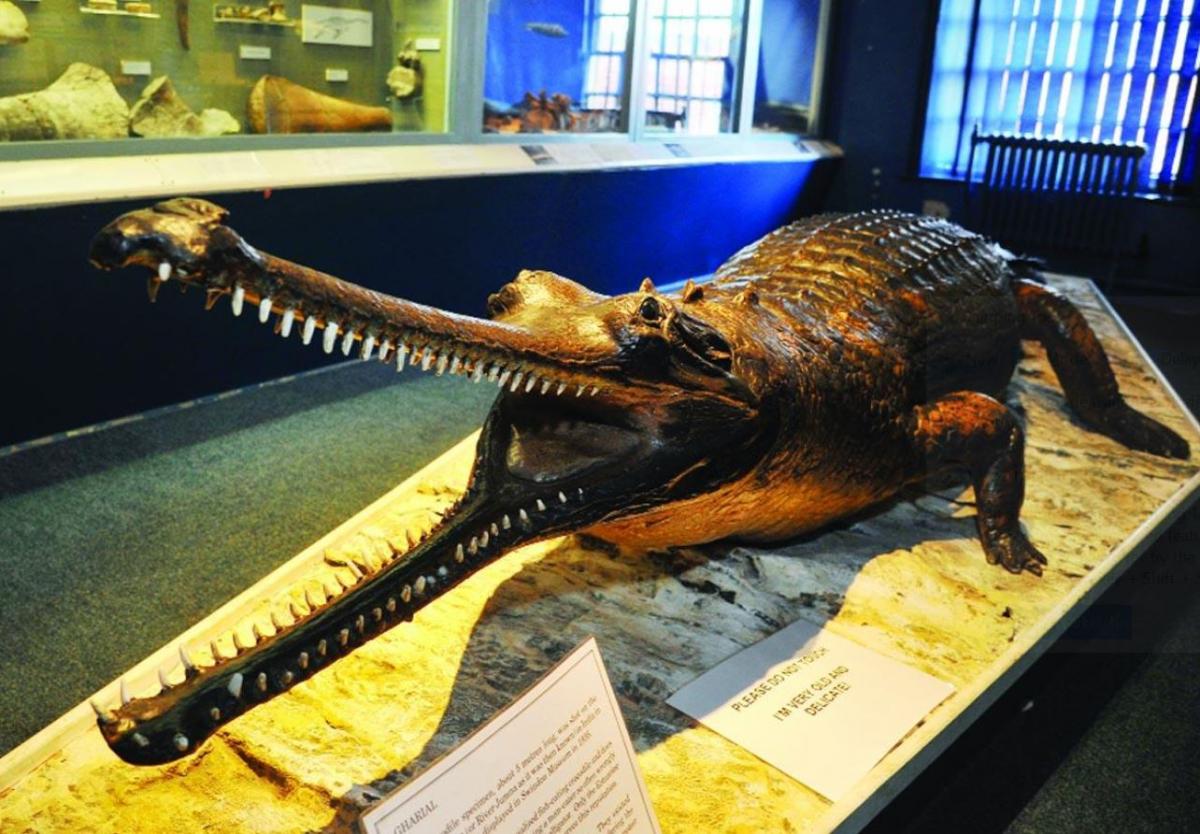
If I was a betting woman, I would put the rebrand down the council wanting to distance itself from its previous home at Apsley House and the highly vocal “Save Our Croc” campaign group. For those less familiar, in true Swindon fashion a stuffed gharial became a mascot and somewhat national treasure to the town, a permanent feature in Apsley House’s fossil room. From this 2023 report, it has been carefully restored, however it is unlikely to feature in the new museum due to its size. After decades of school visits and family trips, the croc was a cross-generational unifier, beyond politics, age or race. Entirely personal opinion, but I just don’t see that level of artefact connection happening with anything in the new M&AS. It is one of those stand-alone items that has so much history by simply existing. A stuffed gharial.
Anyway, after that tangent, we’ll move onto closing words.
M&AS isn’t the 2020 promise of a cultural quarter. Swindon’s residents will continue to dream of their town becoming, “an internationally recognised exemplar of sustainable, liveable development, [with] world class facilities for the arts and heritage.” However, M&AS does give Swindon something to be proud of and in the face of the jabs and jibes and the relegated gharials, I’d take that as a resounding win.
Museum and Art Swindon is open Tuesday – Saturday, 10:30 – 16:30.For more information, visit their website: https://www.museumartswindon.com/
**
Could you spare a dollar to support me? Donate here!
Here’s a snappy summary of what Boyfriend Ben and I got up to in August. In simple terms, a lot of walking and a wonderful trip to the Isle of Wight to visit Ben’s family…and also the mermaid gin bar.
After all, one has to keep up with one’s mermaid connections. It would have been a crime not to visit!
Hello, present-day Alice here. I found this post deep in my draft archives, 2021 deep. On one hand I have no idea why it never got posted, and on the other hand I have every idea.
While some things have changed since this was first drafted (notably the fact I was very much single in 2021), you’ll be pleased to know the cooking skills are still as horrific now as they were then. I did it then, and I have no doubt I’d do it all over again if given half the chance…and a courgette.
So, that in mind, enjoy. AEB
**
You know how when someone says they’re a fat person in a skinny person’s body, you nod along? Well, I am that person, the one who doesn’t understand how she’s not yet stuck in a doorway.
I honestly think the only reason I’m still a healthy weight is be because I’m a slave in the Matrix, and the aliens are milking me for battery juice. (It’s a normal thought process to have, right?)
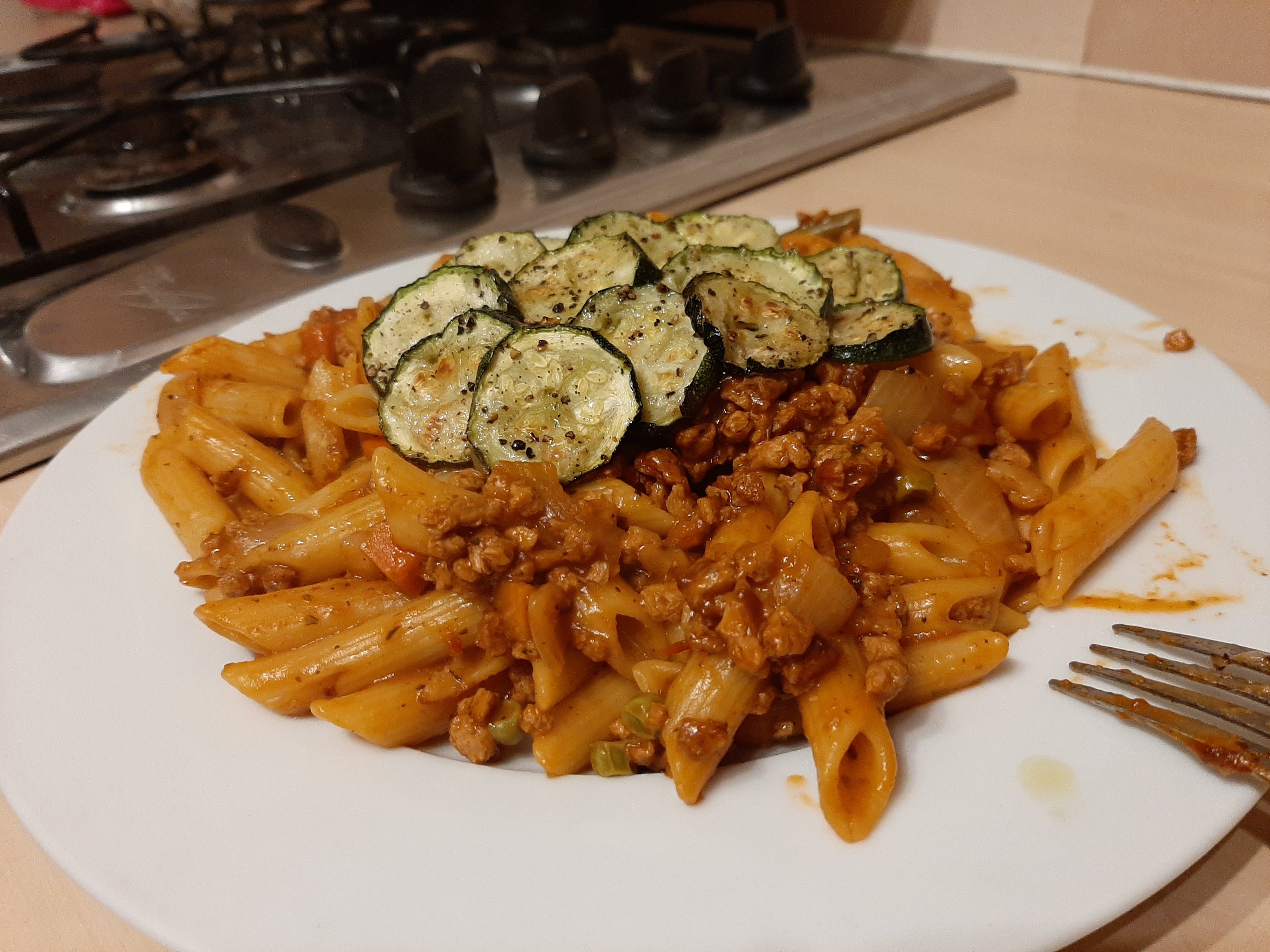
Take this evening and my portion control when it comes to this mass-produced Quorn Spaghetti Bolognese:
(FYI, not a vegetarian, just trying to do my bit for the planet…and stop Paul McCartney coming after me.)
And yes, there are also frozen vegetables in there, but let’s not dwell on the lengths I go to to ‘stodge-out’ a meal.
The thing is, it was a perfectly normal* (*Alice’s version of normal) meal. But then I had this courgette. And the courgette was on the turn (it was a little bit squidgy), but it was something Mumma B had given to me, so I was determined to not let it go to waste. But the mince-stuff was already cooked and rapidly burning.
Basically, I panicked.
I hurry-sliced the courgette, coated it in black pepper, drowned it in olive oil and then threw it in the oven. I don’t know why, I just did. And even as I type this, I am very much aware this is an Alice-world problem.
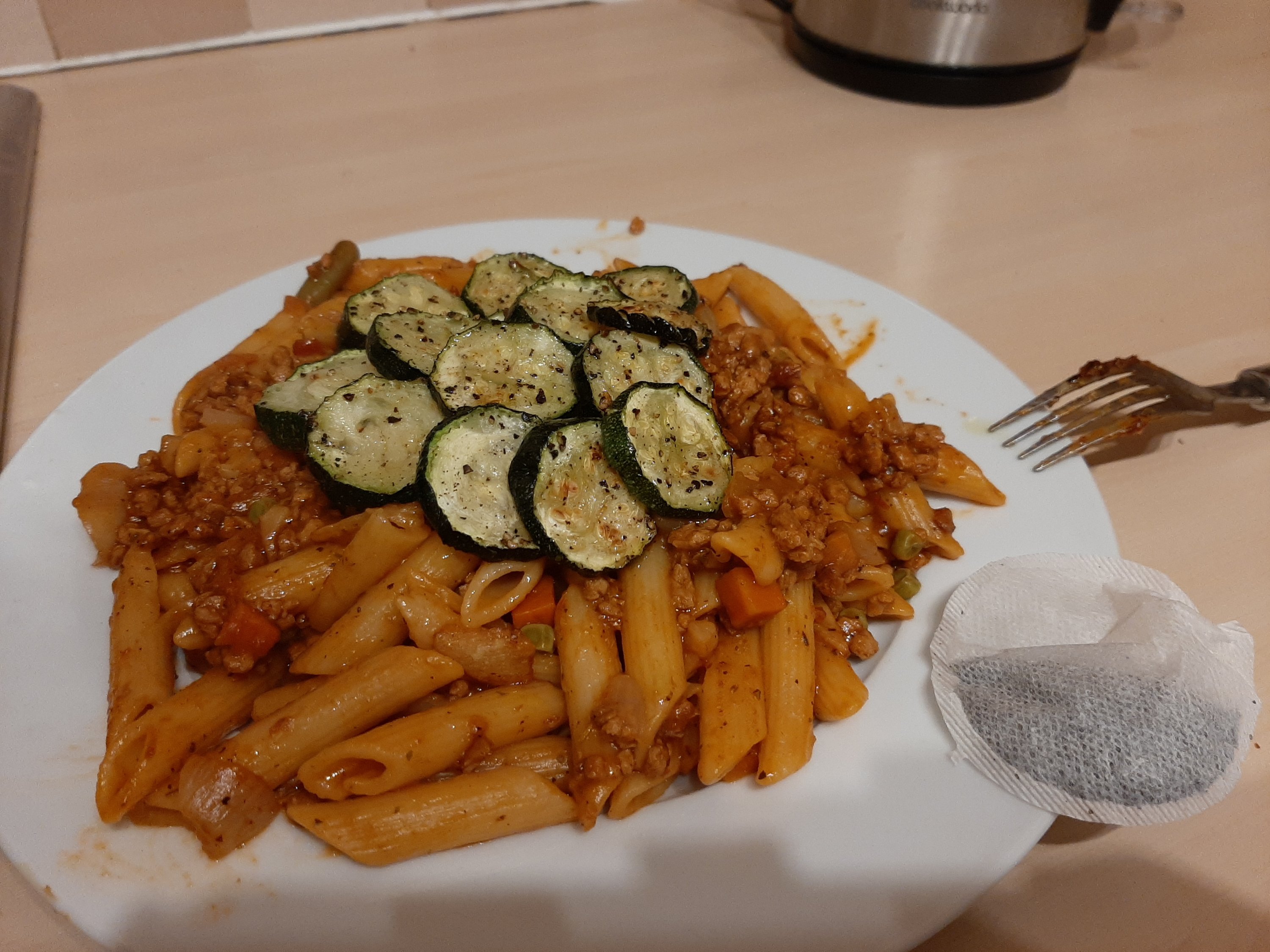
Anyway, about ten minutes later (Married at First Sight was on and I may have got distracted), I retrieved the cooked-baked mush that was once a courgette and dolloped it onto my dinner plate. By now the pasta was stodgy and the mince mostly burnt on the bottom of the pan. To add to this, I didn’t quite feel satisfied that the first picture illustrated the large portion of food I had on my plate. So what did I do?
Yes, that’s right, I compared it to the size of a teabag.
This, this is what I do for content. Jeeze.
**
Could you spare a dollar to support me? Donate here!
Following official PR, I am now able to share with you details of two writing competitions I won, and their associated launch events. And, eek! They were both an absolute blast!
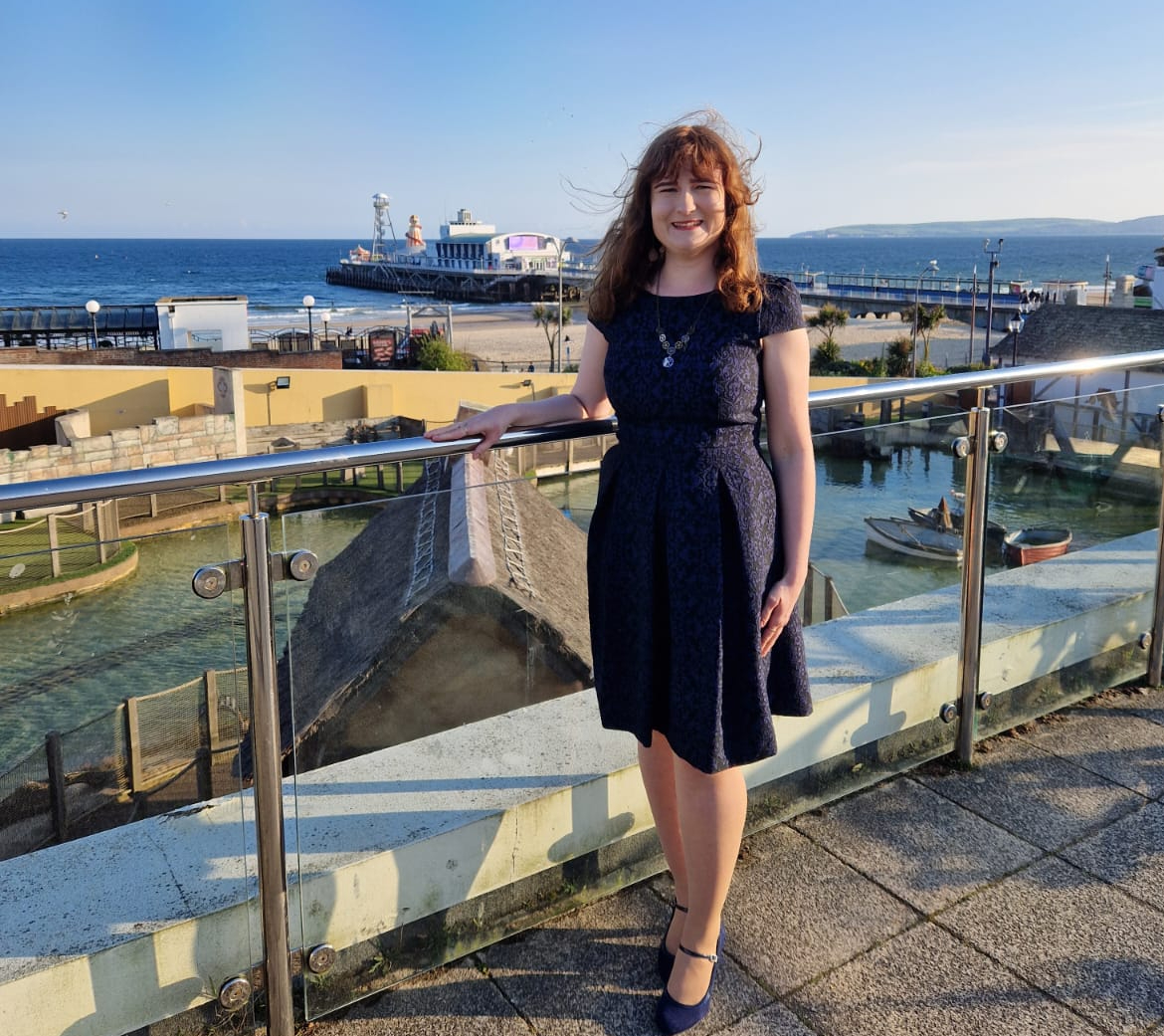
Boy, did Bournemouth pack a punch! As well as receiving free tickets to attend some interesting talks held by the festival, there was also a Sunday evening showcase and awards presentation.
Photo credit: Solid Imagery
There was a weird knotty feeling in the pit my stomach watching people read copies of the book, and it was only later that evening, when boyfriend Ben pretty much forced me to sit down and listen to him read my story, that I noted what I’d written was actually pretty good.
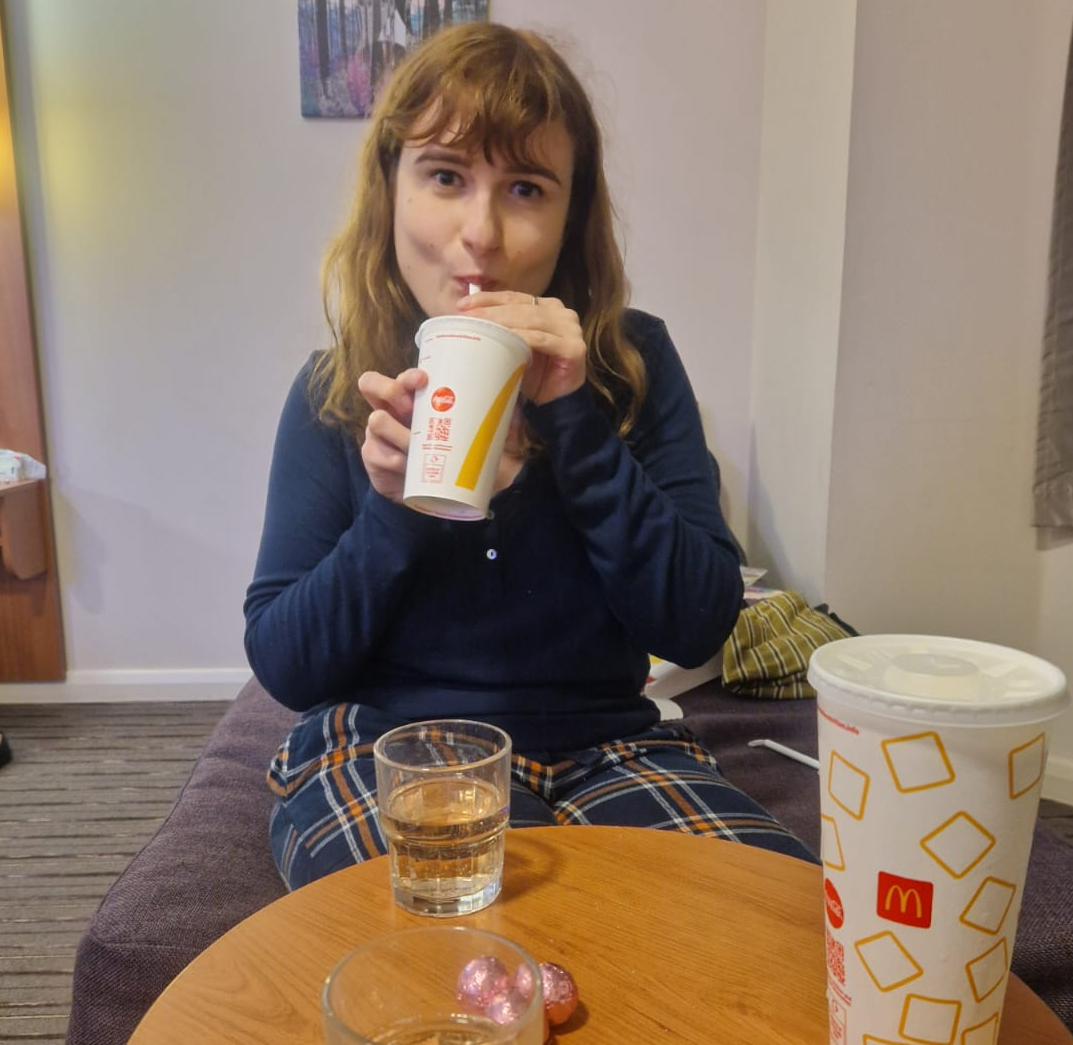
After the showcase, we made a toast to my success with a glass of prosecco and a McDonald’s in the hotel room. It was wonderful.
A lovely sunny weekend, spent on the English south coast.
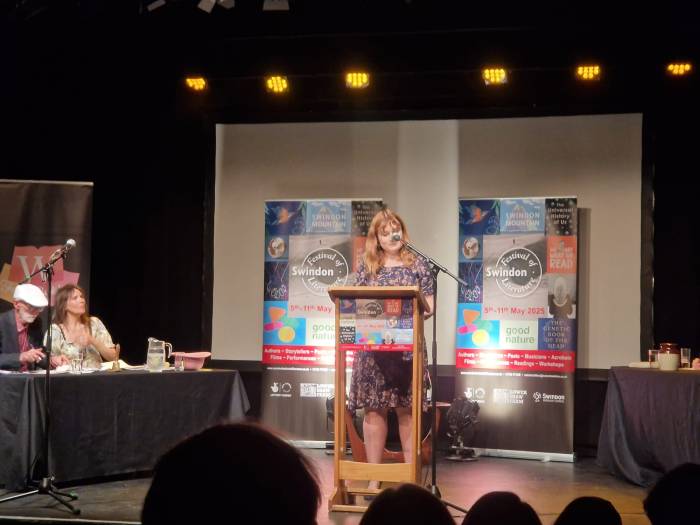
Swindon Literary Festival
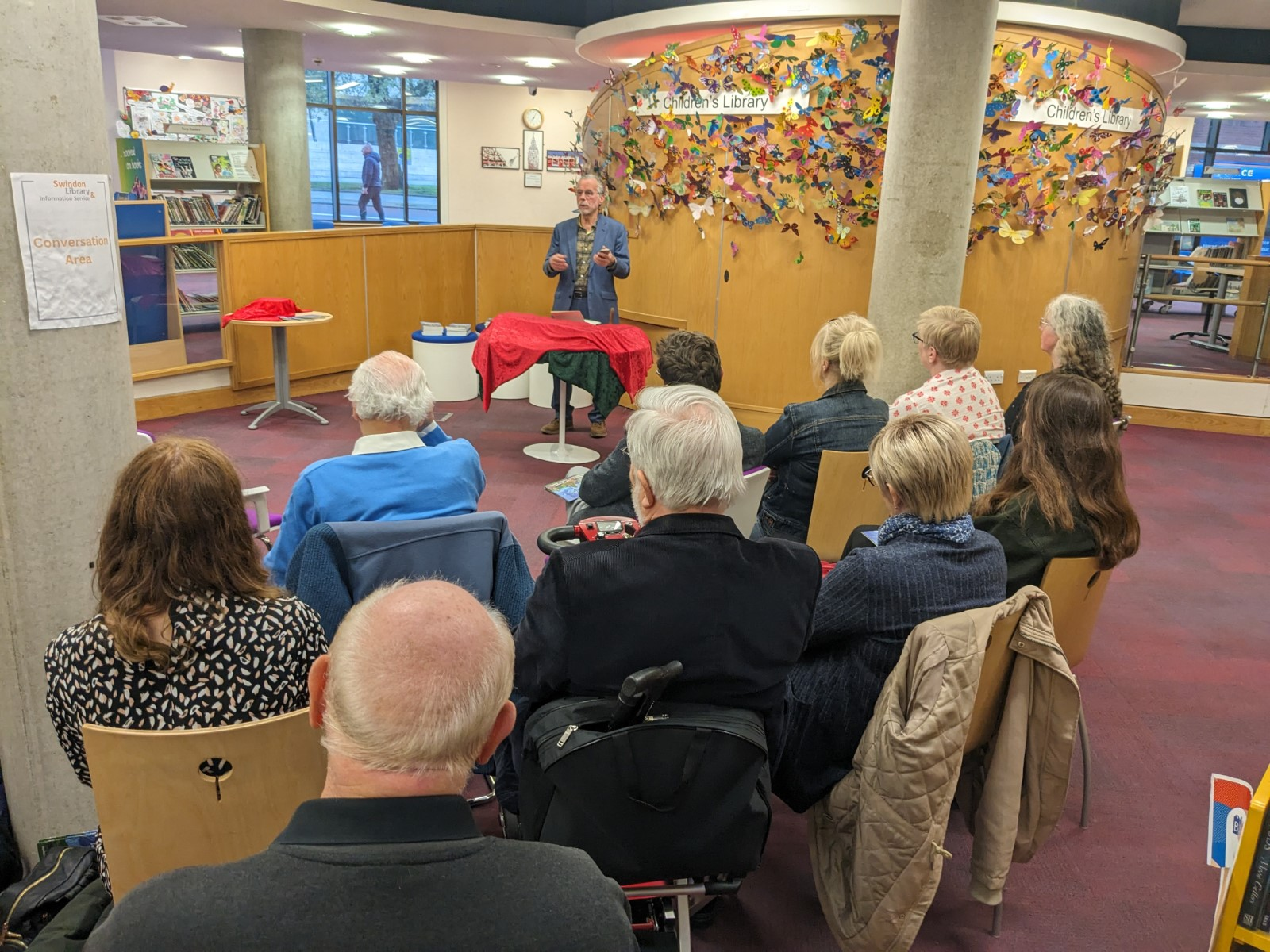
The launch of Swindon Writers III came with a packed-out library venue, much to everyone’s surprise. Boyfriend Ben was unfortunately not feeling well on the night but I sent him a message to reassure him that I had more than enough attendees to keep me company.
Words were said by the editors and extracts read from the publication. To know my short story, “Bee Kind”, had been selected to sit alongside them in the book meant a lot.
A close up of some of the audience, featuring the back of my head
Two book launches, two reasons to celebrate and a very happy author in between. As I say to people, prizes and publication aren’t the sole reason why we do what we do, but it damn well helps.
Headline: Too much in too few words: this short story is wounded by its lack of descriptive text
Review:
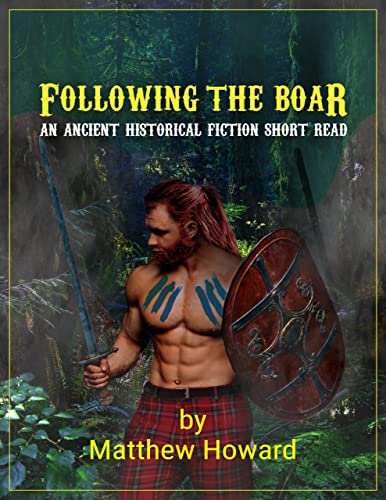
Matthew Howard’s story Following the Boar: An Ancient Historical Fiction Short Read (hereafter Following the Boar) is a short read and to the point. It tells the story of Borvo, a Scottish warrior, who must prepare for battle against a strange and fearsome enemy who has been massacring the local population and invading lands. As the clan travels toward the battlefield, Borvo and his father rally additional comrades to join the fight, including warriors who swear allegiance to his uncle, Breenus. Together the combined forces travel on in a climatic battle with the enemy of steal.
The main problem I have with this short story is in the quantity of content. In Following the Boar, the author, Howard, has attempted to pack in far too many events into too a short space of time, at the detriment of the descriptive text. Reading through this story I get no sense of place and I struggle to follow the movements of the characters. It is impossible for me to visualise the appearance (and number) of warriors coming from the different fractions; so much focus is made on the three central characters I kept forgetting they were there until suddenly they appear on the battlefield. The protagonist Borvo has no development; even in short stories the reader needs strands of insight to help flesh out the image of the main characters, their personality, drivers and beliefs. Sadly there is none of that here.
One example – the story starts with Borvo waking up on the floor. Why is the protagonist sleeping on the floor? His father is the chieftain of the clan, he even asks his son about his “first taste of poverty”, so what was the cause to place Borvo in humble surroundings?
Without the essential sprinklings of insight and description, it is hard to comprehend why characters make the choices they do and the reader is left feeling disengaged with what limited action takes place. When the ending occurs, somewhat abruptly, it leaves for only feelings of dissatisfaction, as opposed to clamouring for more.
Howard should take this short story as a pause for reflection. The existing story arch would make a good basis for a historic novel or, with elements removed, could be refined into a succinct short story. Improvement needed, but within the muddy battlefield there are glimmers of potential.
I don’t know if it’s the warped soundtrack, the computer-generated vocals or the mesmerizingly basic Adobe Flash animation but whichever way, I saw “Is That All There Is?” at the Tate Modern (London) and now it’s all I can think about.
I swear to goodness I wish it would just leave me alone. After all, it’s hardly something you can sing along to, not when the earworm in question sounds like a deflated emergency siren.
And, a much as I value the importance of art, I wish this wasn’t the one thing to have stuck with me since my visit to the Tate Modern in November 2022 (that’s right, it’s still haunting me!)
IS THAT ALL THERE IS? considers the environmental impact of global warming. YHCHI often use dark humour to highlight difficult issues. The text and melody of the work are based on the song Is That All There Is?, made popular by singer Peggy Lee in 1969. The fire in the song’s lyrics here becomes a reference to wildfires in California. The question ‘Is That All There Is?’ is repeated again and again, highlighting the lack of personal and political accountability in relation to climate change.
Nothing sums up my experiences growing up than the hype surrounding the “Cotswold Olimpick Games”, an annual summer event that takes place on Dover’s Hill, Gloucestershire.
You, however, might be more familiar with one of the key events that take place during the games, skin-kicking.
Not heard of shin-kicking before? Well have no fear, for this news clip from BBC Points West will explain all in glorious local news fashion.
(Even I was left thinking “what did I just watch?”)
There’s a lot to unpack here in what is almost a 4 minute long video, so let me hit you with what’s going on (my personal highlights are in bold):
00:12 – It’s not a piece of old reel footage unless a random horse suddenly appears
00:29 – What. On. Earth? (I choked on my cup of tea when I first saw this)
00:41 – Local news gets interviewee’s name wrong (#standard)
01:29 – “It’s a part of our heritage that’s nice to keep alive” – in school we were frequently told that it was a stupid sport and told to not do it
01:40 – Already looking considerably more violent than the 1950s version of shin-kicking
02:08 – I genuinely feel a bit sorry for anyone who travels overseas, or makes special effort, to visit the Cotswold Olmpicks. My sister went last year and said it was a load of cr*p
02:35 – Dear Lord, those shin guards! (I couldn’t stop laughing…again). Also, the buttoning up of the suit jacket which I’m guessing is a nervous twitch on the part of the presenter, as if this bloke is seriously going to pelt him
02:44 – “Be careful, because I am a world champion” is a phrase that has probably become very tiresome down Mike’s local pub
02:50 – Demonstration of shin-kicking (otherwise known by Alice’s laugh of “hahahahahaha! This is brilliant, hahaha”)
03:01 – “Do you normally have something down your trousers?”
03:15 – I’m starting to think someone has dared Mike to wear that silly hat
03:35 – The weather presenter completely baffled, like the rest of us, by what he’s just seen
And don’t you worry, as always you’re very much welcome.































 My Housemate's a Mermaid