I am getting so many of these spam emails at the moment. They go like this, an individual presents me with the opportunity to become a best selling author. The catch? Only the email’s sender has the ability to secure me this success and I have to pay them to get it.
Screen shot from one of the many unsolicited emails I’ve started getting
Oh and by the way, I don’t even have a book to promote.
I’m guessing that some ugly crawler bot has been over my website, seen the words / posts that feature my book reviews for self-help guides on Reedsy Discovery, and from that decided I must be a struggling author.
Rude
Not in any way the case!
Honestly, there’s throwing spaghetti at the wall to see what sticks and then there’s throwing the pots and pans.
To all these people who are using bots to spam me, just stop. I know exactly where you’re based and you’re wasting your time. Everyone else, please don’t be fooled by these emails, these people are awful scammers that don’t deserve a minute of your time. You’re worth more, so much more.
**
Could you spare a dollar to support me? Donate here!
Headline:Bricks and Experiments – a book that is both fun and educational. What’s not to like?
Review:
Bricks and Experiments by Lindsay Whitman Drewes combines two things guaranteed to get any child excited: toy construction bricks and all things gooey, slimy and fizzy. Contained in this colourful book are ten different science experiments to get children engaging with simple chemical and physical reactions, from “the floor is lava” to “sailboat races”. For each experiment, Whitman Drewes, a former middle school science teacher, provides a detailed description of the challenge, recipes for the experiment and then a full explanation of the science underpinning it. Accompanying each challenge are a array of beautifully shot photos, which add to the fun and energy of content.
The end of the book is filled with brick challenge cards of varying levels of difficultly (e.g. “build a house” and “make a marble maze”), alongside space for scientific notes and the chance for smaller hands to create stud art (with visual examples provided for guidance).
It is hard to not enjoy this book, it sets out to achieve and more. And while the Danish brand (the one beginning with L) is not mentioned explicitly in this fun picture guide, it is clear from the title and cover art that ownership of a set of yellow plastic people and multicoloured bricks is essential to engage with the experiments. Equally, the involvement of a responsible adult is also an important feature, as close to all the experiments require the use of chemicals which could be damaging to smaller hands if not used in the appropriate way.
At a push it could be argued that the demographic age range is too broad for marketing this book (it is currently targeted as suitable for ages 4-18 on a popular online marketplace), but hopefully this is something easily rectifiable and an aspect Whitman Drewes will address when she starts marketing this book.
Bricks and Experiments is a great book, one which is both fun and educational. What’s not to like?
So, here it is, after eleven eventful years it is finally time to lower the curtain on my time in Swindon.
When I moved to Swindon in August 2014 I knew nothing of the town and its people. Swindon was just a place to work and rest my head, my first job after graduating from university weeks beforehand. Rocking up to my new home, a House of Multiple Occupancy (HMO), I was introduced a colourful array of housemates, including a lady who hated children but wanted to be a teacher, a reclusive journalist with a dark interest in knife crime and, of course, a woman who dressed up as a mermaid on the weekends. In the summer of 2014 I had no expectation I’d be in Swindon much longer than nine months, tops.
That was the plan.
In July 2014 I was excited for what I anticipated to be a long and fruitful career in the Heritage sector.
On November 11 2014 a random thought struck me while I was deciding between which brand of toilet roll to purchase. I messaged my housemate to ask her if I could title a website around her career as a mermaid actress. Had I not decided to rent that room, in that house, in that town, or had Becki said no then who knows if I would have ever started a blog. My first post, “The Birth of the Grimgrad”, had all the positivity and excitement of someone making their first steps in the real world while also making a throwaway reference to military activity in Ukraine. Hindsight is cheap.
Started at the bottom, now we’re here: the first post on MHAM and my “hello!” to the world.
Months turned into years. The fixed-term job was extended, then made permanent. The permanent contract was the final piece of the stability puzzle and by the Spring of 2017 I had my foot on the ladder and bought a house…the house next door to the one I rented. There is a whole series I did at the time on the process, “The First Time Buyer Diaries”. I scanned through it a year or two ago and can confirm the writing quality is all very much true to brand for a hobbyist, with the hideous lack of editing that comes with it. One day I might do something more with it, in the same way there’s a whole drawer of clutter I have been meaning to sort out since 2015.
Nothing can compare to the first evening after I got the keys, blasting B*Witched on max volume whilst running up and down the stairs and screaming with joy. Why? Because no one could stop me.
Also in 2017 I entered the world of Financial Services. For two and a half years I found my flow, bouncing between Swindon and the City of London, being single, in a relationship and then single again. Never staying in one place for too long. Swindon though, Swindon was always there, the constant in my life kept pulling me back (and never being quite sure why). Sure, my time in London was fun and exciting, but Swindon was chill, a non-descript place and the driveway where I parked my car.
When the pandemic happened I did the same as many others the world over and headed back to my family home for what I thought was going to be a couple of weeks. As we all know, things ended up lasting longer and by the end of it there had been a revolutionary shift in what it meant to be an” office worker”. I often wonder how things would be now had the events of 2020 not taken place.
January 2020 was a perfectly normal month. Visiting London, there was no hint at what was to come.
When I fully returned in 2021 Swindon was not the same town. Yes, the buildings were there, as was the job and the office I’d been attached to, but things were different. The friends I’d had, forged over coffee catch ups in the office and midweek meetups, they’d all gone. They were still accessible via WhatsApp or social media but in the few years we’d been apart they’d all either moved elsewhere or moved on. That is what angered me about Covid-19, that alongside everything else it robbed me of those precious years when we were all carefree and geographically close. At the very start of 2022 I left the company and moved to another Financial Services provider.
2020 was a strange year for everyone.
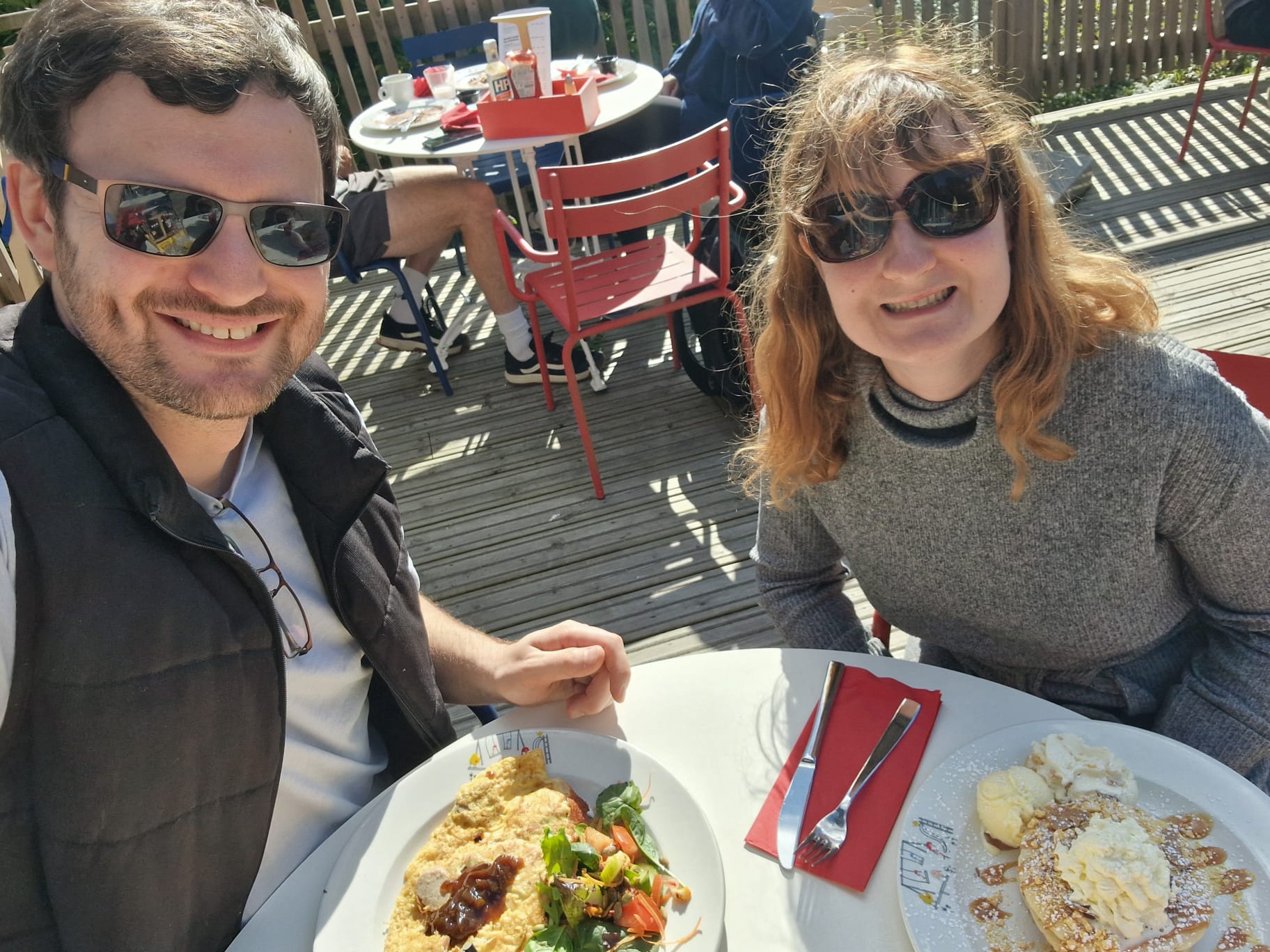
In early 2022, 7.5 years after moving to Swindon (and 7 years longer than planned) I met Ben. There isn’t much I can say of this man beyond what he already knows and what would be considered terribly cliché, but meeting him was the single best reason for remaining in Swindon. To keep the story simple, we both happened to meet each other at the right time in our lives, with me making the first move. “I see you like cooking. I routinely burn carrots to the bottom of saucepans, is that going to be an issue?” (Thankfully it was not.)
Love is being able to smile through 22 hours of jet lag and sleep deprivation. (New York, September 2024.)
The weeks and months rolled on. A lot of dramatic stuff happened, a lot on undramatic stuff happened. I visited the high street less frequently and, when I did go, I only felt pity for what was once there before. Swindon’s town centre had once been a place of comfort and choice for me, but now it felt like a landscape of coldness and desertion. My friends had gone, the excitement had emptied, my attachment to the town had fizzled away to flecks at the bottom of a barrel. When Ben moved in with me in the autumn of 2024, that was when we started to reflect on the future and by Christmas of that year my house was on the market.
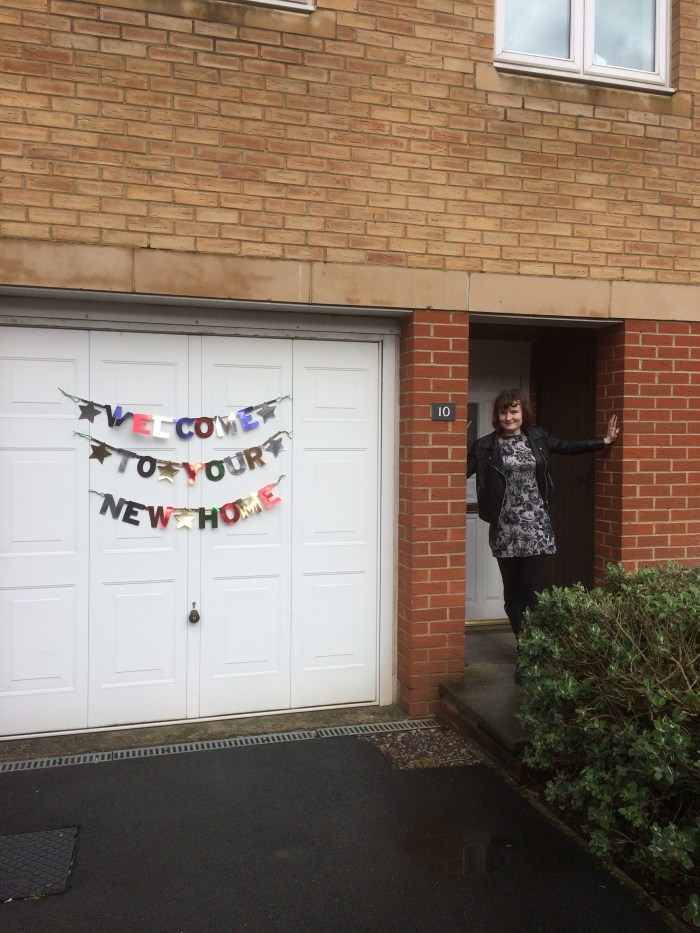
The moment things got exciting.
I won’t bore you with all the details surrounding the sale of my Swindon house (and the stresses that came with it). Very long story short, my Swindon house sold and a new house was bought. In July 2025 we packed the final items into the back of a removal truck and I locked the door for the last time on the three-bed mid-terrace, my first home.
The moment things got real. With only a few days between exchange and completion, the last week in Swindon was a blur.
The days leading up to the event had been so busy, a flurry of packing and telephone calls, there was barely the time to process what was going on around me. As I sat in the car I was suddenly hit with reality. This was the street I’d lived on for eleven years and now I was leaving it for good.
Raw emotion took hold as I made that last and final car trip out of the town, a one-woman parade of mourning in the pouring rain. While driving silently along that familiar route of mini roundabouts someone cut in front of me and I couldn’t help but let out a chuckle between the tears. Swindon’s drivers always were a law unto themselves, they were giving me a send-off in their own special way.
“Thanks for the memories” – the final outing to my favourite indie coffee shop in Swindon.
Swindon will always hold a special place in my heart. Eleven years of crazy highs and unbelievable lows has taught me so much about myself and, when I look back at some of the things I posted in Swindon I genuinely think myself as lucky that I didn’t “blow up the internet”.
I don’t think I truly planned in my head how emotional moving day would be.
As I type this, somewhere far outside Swindon, I can look out the window of my new office and smile. Smile because Ben is in the garden, dragging out some kind of half-dead rose bush that he’s had his eyes on since our first viewing of the house, smile because the birds are singing and smile to myself at all the Swindon memories that led me to this very spot.
A bittersweet photo after receiving confirmation on the sale of the Swindon house.
Swindon has been an utter, life-shaping, blast. Now it is time for it to shape a new type of hapless, coffee-spilling graduate. She’ll be easy to spot, just lookout for the weirdo intently studying the ply thickness of toilet roll on a weekday evening. Find her and tell her I said hi.
AEB x
**
Could you spare a dollar to support me? Donate here!
Headline: A twisted coming of age tale, packed with poetic language but lacking structural execution
Review:
*This review contains spoilers*
Hallelujah by Niko Janarek is a short story of a small disfunctional family; brothers Josh and Georgie, their mother and grandfather Bob. Tensions are present from start, particularly between Josh, a rebellious teenager who is artistically-minded and Bob, an alcoholic who would rather see his grandson peruse a career in the army. A heated spat ensues between the two generational alphas, resulting in the off-scene death of Bob, after he stumbles back to his bedroom.
Acts two and three follow closely Josh and the young Georgie, who rapidly try to conceal the body of their deceased grandfather. Appearances of the mother figure become fleeting; her sudden change in personality (including instances of extreme paranoia and denial), suggest a character undergoing severe mental trauma. Her knowledgement of her feather’s death occurs towards the end of act three, when she walks in on Josh attempting to set Bob’s body on fire. Believe it or not, things escalate further from there.
As a reviewer it hurts me to score this book two stars out of five. The writing and poetic language is deployed nicely for some of the early scene setting and during dramatic events, this could have, and shoud have, been a better book. Hallelujah‘s main problem lies in the storytelling itself. Some events happen at too slow a pace while other important areas are seemingly skipped over altogether. Given the lack of transparency around Bob’s cause of death, there is a massive plot hole in Josh’s thought process as to why his instant reaction is to conceal the body.
Other minor details include not establishing Georgie’s age (his mannerisms are that of a very young child, yet he appears capable of manoeuvring a heavy body into a shallow grave) and the heavy use of expletive language in too short space of time. Josh’s frustrations could be shown better through internal monologues and his interactions with the outside world.
Hallelujah, a twisted coming of age tale of one boy’s transition into manhood, has all the creative skill to make it a good read, if only the structural foundations were not as sandy.
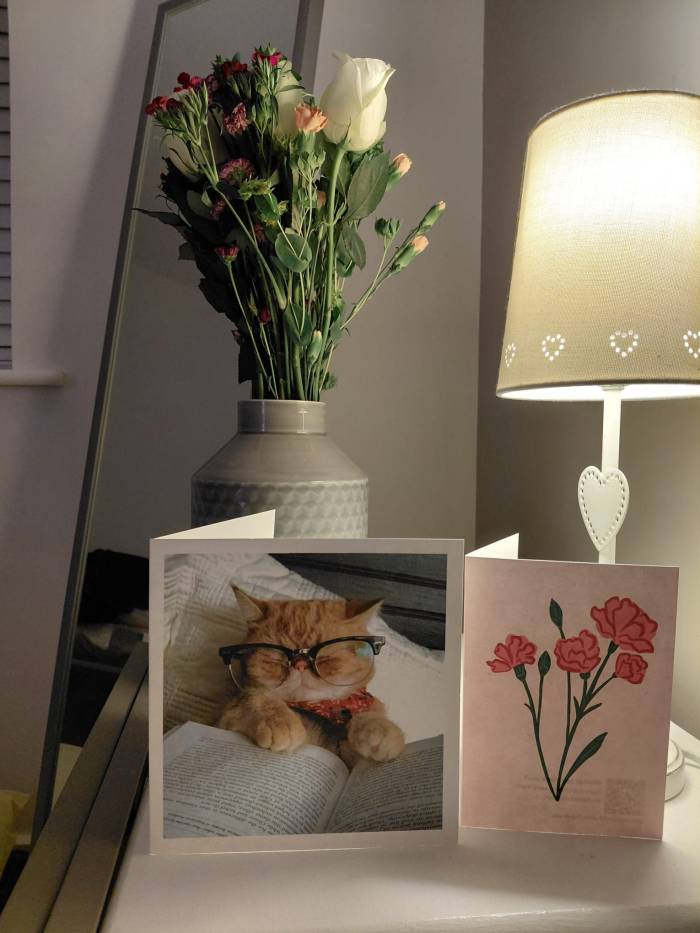
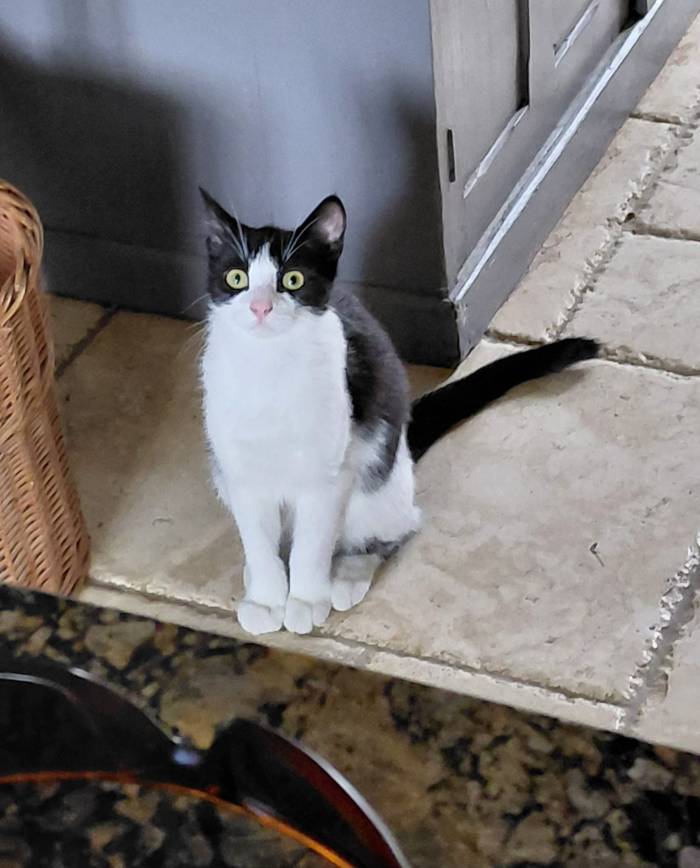
So…a lot of crazy stuff has been happening in my personal life recently. Without saying too much, here’s a little photographic hint.
Stay tuned for the blog post that will give you the full low down (you won’t want to miss it, it’s going to be a juicy one). Expected publication date – two weeks today.
**
Could you spare a dollar to support me? Donate here!
Headline: An interesting book, although it is not entirely clear who the intended audience is
Review:
Who doesn’t love a good cocktail? I would slurp on one of these fine beverages any time, any place if I could. Only trouble is, I never seem to be blessed with knowing where to start when it comes to making the delightful things.
To use its full title, Mastering Classic Cocktails: Recipes and Techniques for the Home Bartender is, in truth, more a cocktail bible than a cocktail recipe book. C. Townsend Brady brings his experience as a home bartender with a multitude of professional accreditations and connections on the San Francisco bartender circuit) to give a low-down on cocktails for the slightly less experienced.
Covered in this colourful two hundred page guide are not only recipes for all your cocktail favourites but also finer details around the tasting notes and history of each drink, with a wrap around history on the backstory of the cocktail beverages we know and love today. Beautiful shot photography can be found on every page, further enticing readers into rolling up their sleeves and giving these drinks a go.
Mastering Classic Cocktails itself is a good enough book, although personally I feel there is a little too much content to fully enjoy the nuggets of insight. For example, the introductory “brief history of cocktails” comes in at six pages of dense copy and a number of drink recipes contain somewhat extensive information, more than is needed to get the gist of the drink. The result can be at times a bit overwhelming.
Mastering Classic Cocktails is ultimately deep dive publication for cocktail fans, with bonus recipes. It is not entirely clear who the intended audience is, cocktail novices or cocktail purists, but who those who enjoy reading extensively on the subject there is a lot to take away from Townsend Brady’s insight.
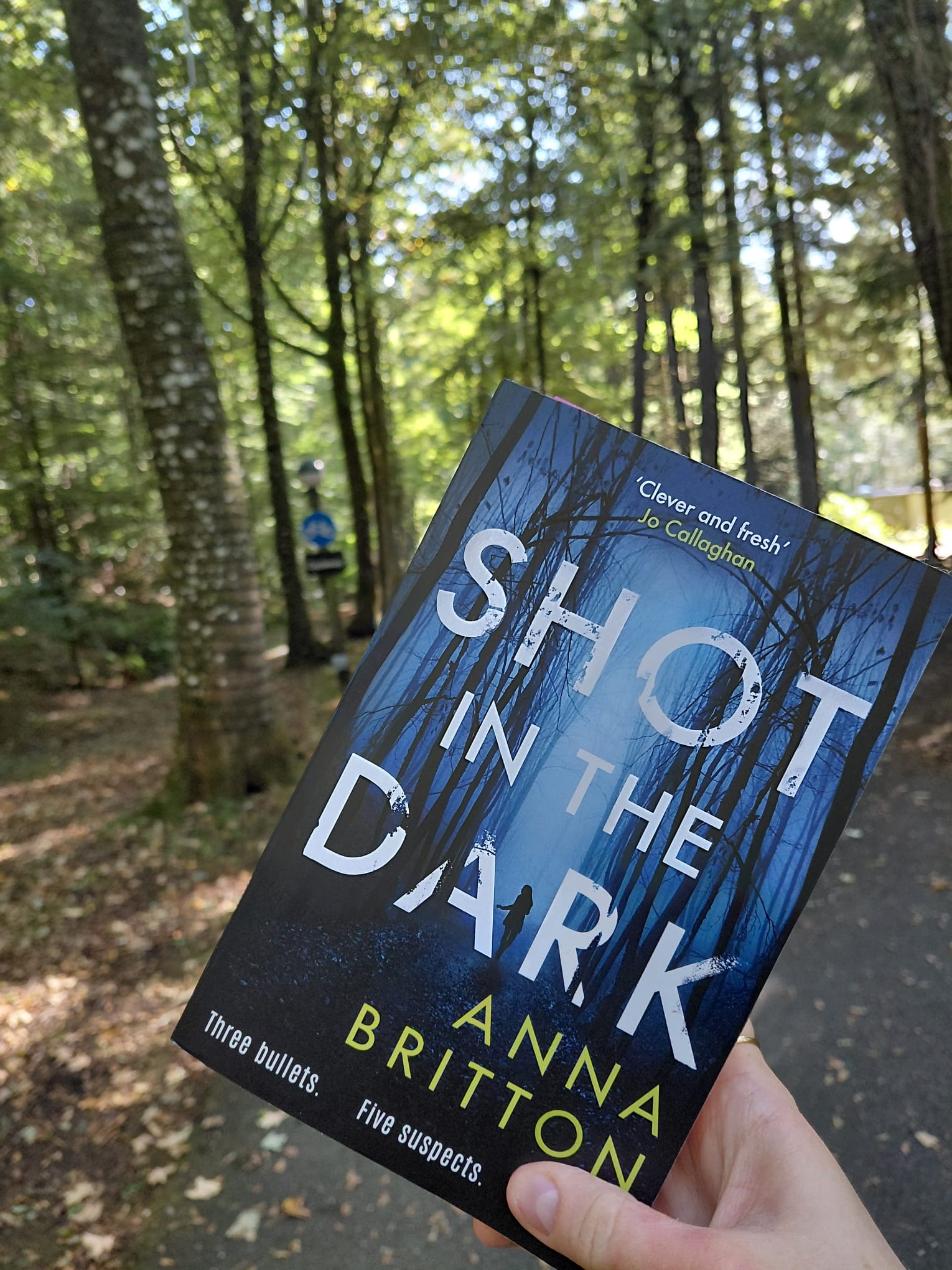
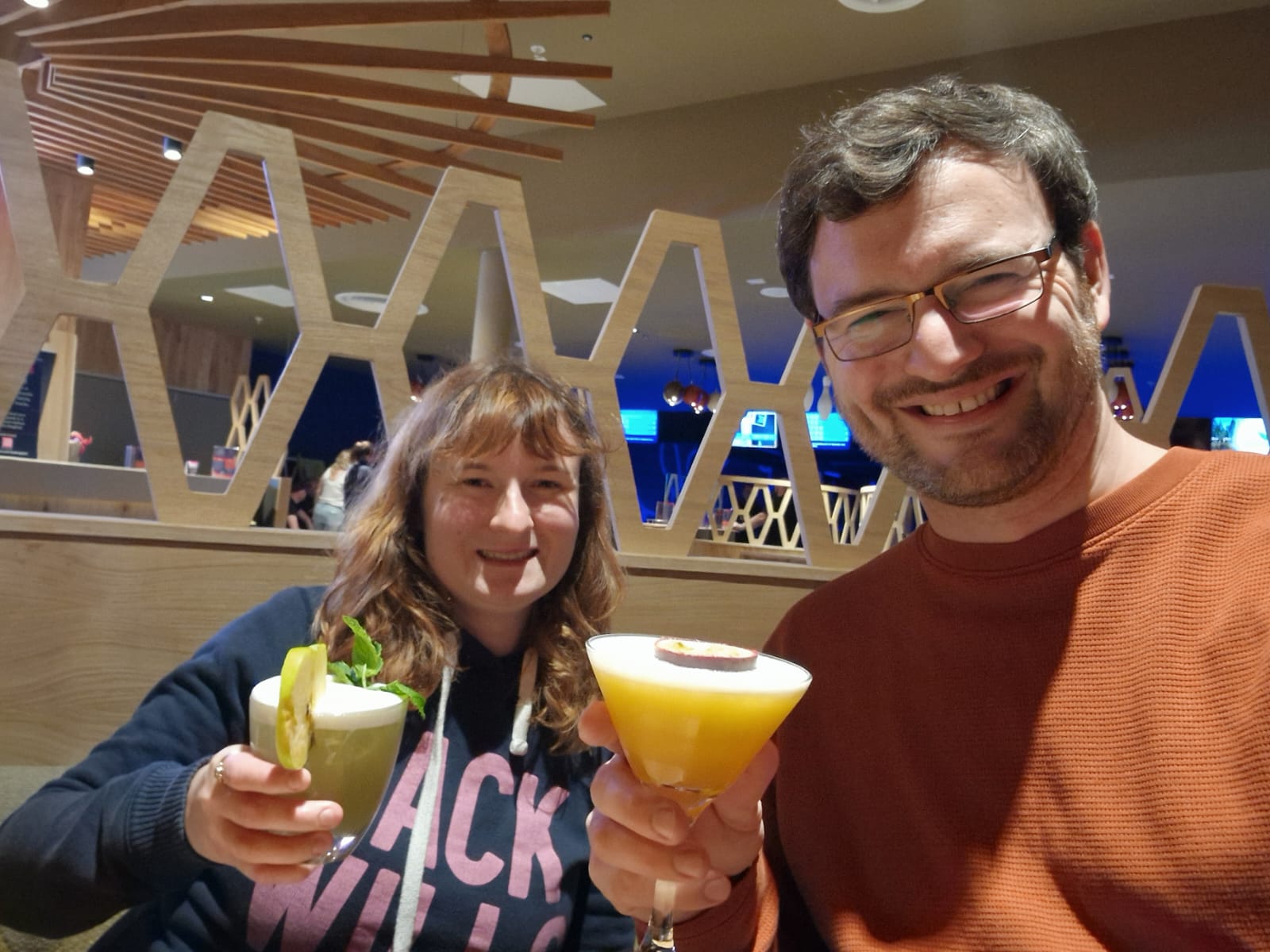
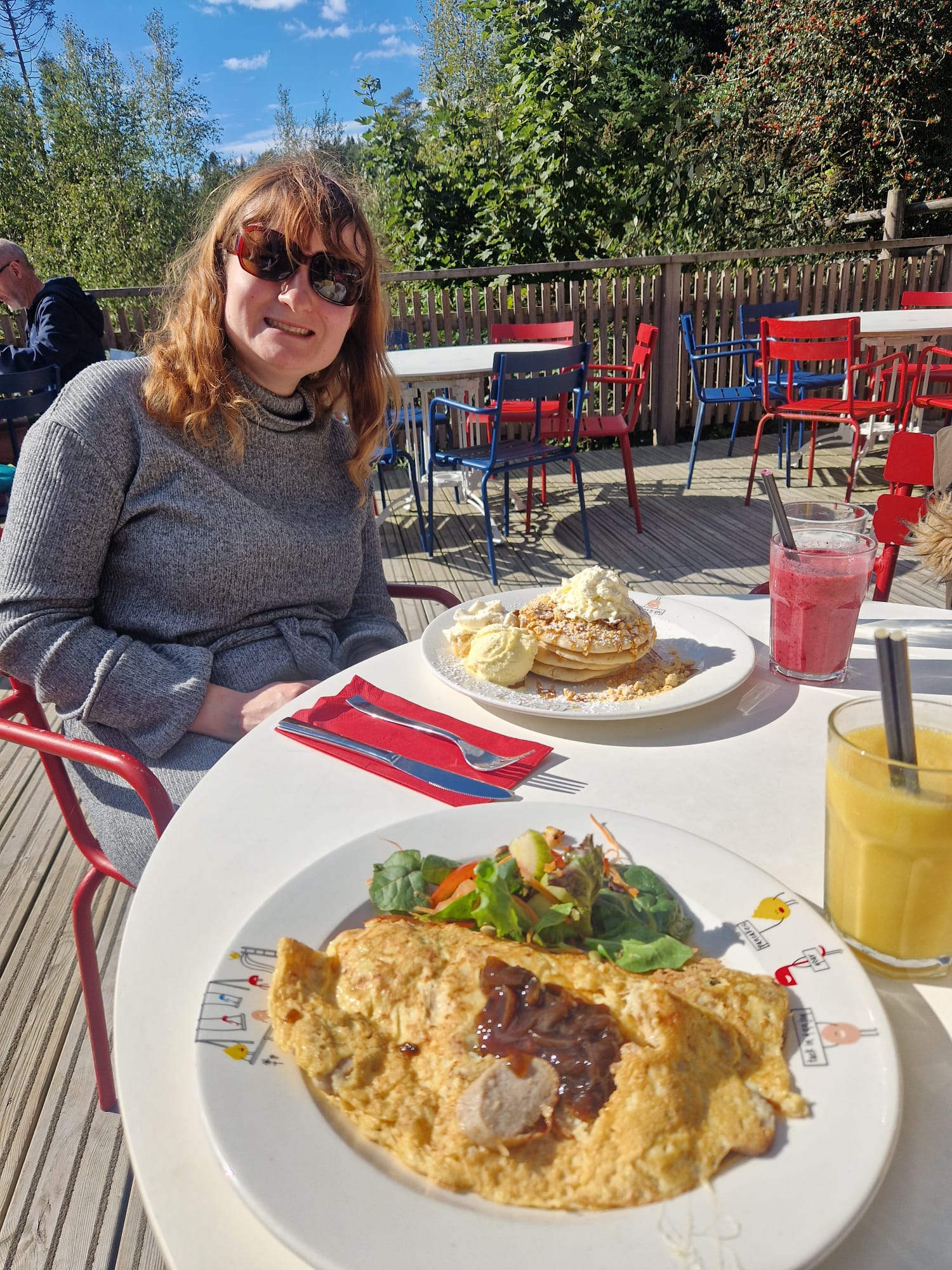
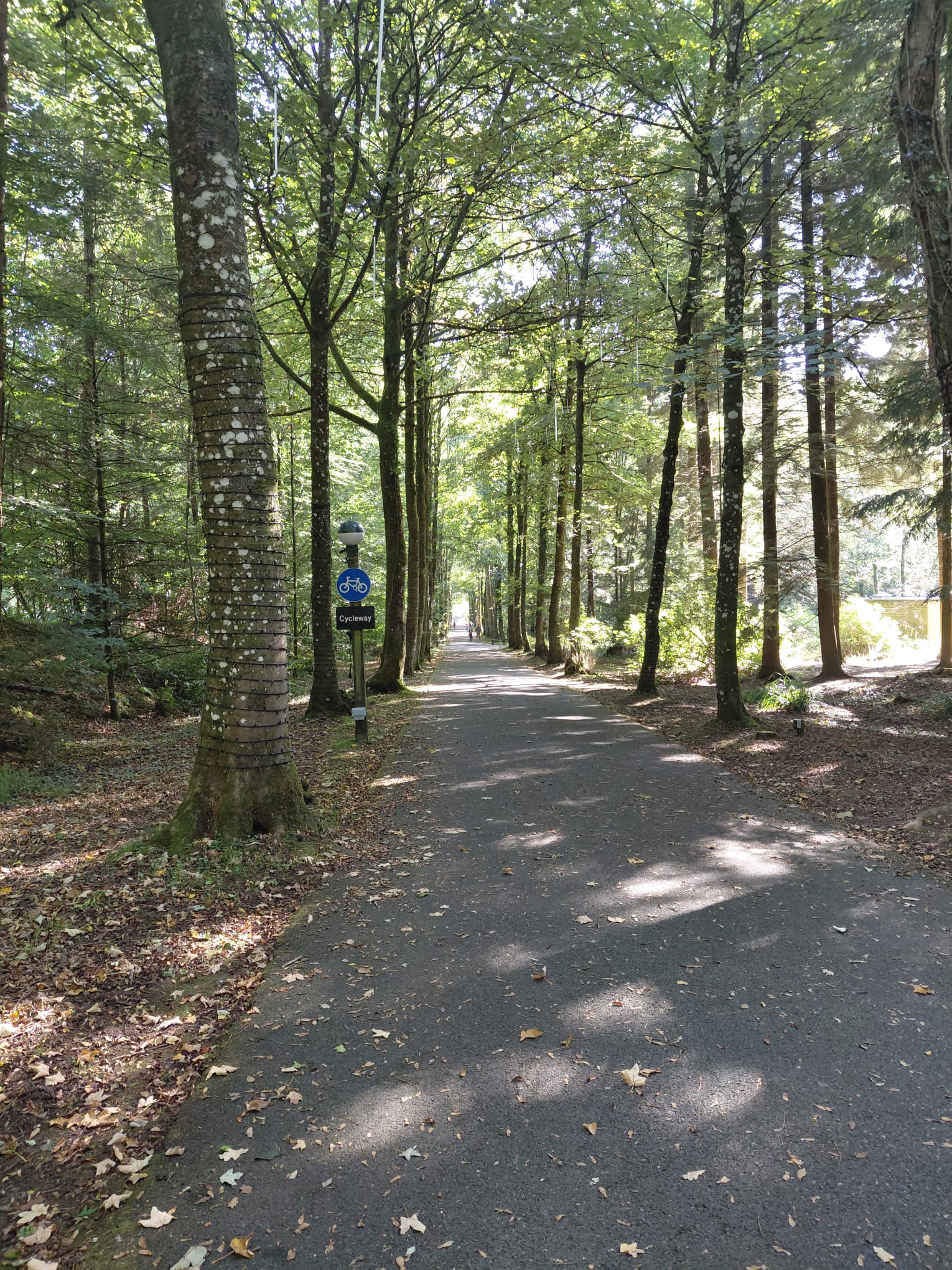
Not long back from a lovely relaxing week at Center Parcs Longleat Forest. There was coffee, there were cocktails and there was a lot of food, all with zero cares.
From hours in the tropical swimming pool, to a full day at the Aqua Sana Forest Spa, Ben and I had a great time exploring and strolling around every inch of the site at a leisurely pace. A well-needed break from the craziness of reality.
**
Could you spare a dollar to support me? Donate here!
Headline: Poor formatting and overuse of purple prose prevent “Defining Thoughts Poetry” from being the collection it could be
Review:
Defining Thoughts Poetry is the new poetry publication by Victoria Halton. A cross between poetry and storytelling, this eighty-eight page collection aims to, as Halton presents it, transport readers to a world “where extortionary becomes reality”. The book also includes photographic shots, which add flavour and drama towards the written content.
Within this collection, most of Halton’s poems follow a conventional layout of non-rhyming three and four line stanzas and, while there is nothing explicitly linking the poems, patterns soon emerge in Halton’s enchanting descriptions of scenes and locations. The strong writing calibre serves as a strong reminder that this is not Halton’s first entry into the poetry market. The poem “Remember the Scent” was a personal favourite, in its depiction of both a relatable experience, cleverly demonstrating the intertwined link between smell and memory.
The book’s main challenges come, in many ways, within its strengths. While it is an impressive talent, Halton’s over use of purple prose damages the reading experience, leaving readers tangled in excessive flowery and ornate language that loses meaning. It makes Defining Thoughts Poetry confusing, if not impenetrable, at points.
There is also the major issue of book’s formatting. Somewhere along the line Halton and/or her team decided to put the copy of this book onto a bronze ripple effect background. Unfortunately doing this makes the book incredibly hard to read, as the varying backing colours fight against the copy overlayed on top. When the copy already demands a good deal of thought and consideration, the background serves as an additional, and unneeded, distraction. The book should have been published on a standardised white background.
Reading Defining Thoughts Poetry inspires a mixture of conflicting thoughts and feelings. While on the surface this is a book that had every potential to succeed, its failings are difficult to overlook. If Halton reigned in her use of purple prose, this could have had the bones of an exceptional read. The truth is, sometimes you just want a spade to be called a spade.
I don’t know if it’s because of the heat we’ve had in the UK all summer (combined with woeful lack of air conditioning), or because there’s a lot of personal stuff on the go right now causing me no end of stress, but this picture, this is me.
Credit goes to TK Maxx for this one and zero credit goes to boyfriend Ben who flatly refused to let this exist in the same house as us. To be fair, given how much stuff* (*putting it politely) I have, I tend to agree. Ben has also reminded me that I routinely sit / sleep in positions similar to this and call it “comfortable.”
I think he’s trying to hint that it would be cheaper for me to just continue being me, sans human-sized cushion.
TK Maxx, if you’re reading this, my door is always open for an Alice/skeleton cushion collab. Just don’t tell Ben.
**
Could you spare a dollar to support me? Donate here!
Headline: Next time someone has plans for world domination, I know where to send them
Review:
Having worked in digital transformation for well over half a decade, I have seen first hand the raw passion and drive of many new businesses, from those treating it as a side-gig alongside fulltime employment through to individuals who are looking to expand their operation as a means to ultimately become the next big thing.
The Resilient Scaleup: The CEO’s Guide to Growing a Business Sustainably (hereafter The Resilient Scaleup) by Reginald James is the guide that I wish I could have given to my peers in the past. It is a business management guide that is not only unafraid to not only state some of the cold realities of scaling up, but also embrace them. James’ mantra can be boiled down to simplicities, that every year thousands of small business fail and while you may aspire to be an operation with cult-like following, you’re not Apple. At least not yet.
That is what I particularly like about this guide, its no nonsense approach hits you with the truth followed swiftly by reassurance. Take one such example, where the author details how Apple could be classed as a level five firm for employee respect (where employees practically worship the product), most companies fall somewhere between a more modest level two or three. Having low employee morale is not incurable as long as CEOs work rapidly to address the fault lines and, perhaps crucially, do not see recruitment as a cure. In The Resilient Scaleup, James pitches the argument that expansion is not always the answer.
For start-up leaders determined to scaleup, James also covers off in significant detail the right (and wrong) ways to recruit and maintain incoming talent and essential CEO skills to bring existing employees on that scaleup journey. With helpful illustrative drawings peppered throughout, it is a highly consumable guide that can be returned to throughout the scaleup process.
I was a little surprised that, given the title, the content makes no mention of environmental factors (the word “sustainability” presently being synonymous with the climate debate). Despite this, the content in The Resilient Scaleup more than makes up for this oversight and remains a highly recommendable book to business entrepreneurs. Next time someone gushes over their plans for world domination, I know where to send them.




















 My Housemate's a Mermaid